Toronto’s rental scene can feel like a puzzle.
On one hand, we hear stories about how hard it is to find rental units because so many people want to live here. On the other hand, you might be wondering why Toronto rentals sit empty even when demand feels strong. That’s a real question I get from clients, especially landlords, investors, and people trying to understand the shifts in our housing market.
In this article, I’ll break down the main factors behind vacant units, explore the role of affordable housing, pricing, tenant behaviour, and even short term rentals, all in simple terms that make sense for anyone curious about the rental market in Toronto.
Understanding the dynamics of why some units sit empty is crucial for anyone involved in real estate which includes landlords trying to maximize income to renters looking for the best deal. It’s also important for regular people and families struggling to find housing they can afford.
Let’s dive into the details so you can get a complete picture of the Toronto rental market today.
The Current State of Toronto’s Rental Market
Before we dive into the reasons behind rentals sitting empty, it helps to look at the big picture of the housing market in and around the city.
Toronto has some of the tightest rental conditions in Canada, with vacancy rates historically low. In recent years, small increases in vacancy have occurred as new rental buildings and condos entered the market, but overall demand remains high and affordability is still a major challenge for many renters. Even with new developments, many rental units sit empty simply because the rent is above what average residents can afford, making it even more important for landlords to find good tenants.
When there are more vacant units, it doesn’t always mean no one wants to rent, it can mean renters cannot afford the prices being asked or units are mispriced compared to what residents can pay. Families struggle to find housing that fits their budgets, and even single professionals or seniors may be forced to look outside the city. This disconnect between supply and affordability is a key reason some properties remain unoccupied.
How the Housing Market Impacts Rental Availability
The broader housing market including prices for owning and renting affects rental turnover and demand. When home prices rise, more people stay in rentals longer since buying becomes too expensive. But when rents increase too quickly, some potential tenants delay moving into new rentals, creating a slower churn of units becoming available.
This dynamic can create the odd situation where units sit empty because landlords are waiting for the right tenant at the right rent price, while renters struggle to find units they can afford. Toronto is a city of contrasts where on one street, a brand new condo might sit vacant for months, while just a few blocks away, a small apartment is snapped up within days.
Understanding the housing market trends can help landlords and renters alike make informed decisions.
The Role of Affordable Housing in Rental Occupancy
Affordable housing is key to understanding why some parts of the rental market are stuck. A shortage of genuinely affordable rental units means many renters are priced out, while landlords with higher‑priced units struggle to find renters who can actually afford them.
Even when vacancy rates rise slightly, the units that are empty are often the ones priced well above what most Toronto residents can pay each month. This mismatch contributes to the perception and reality of units sitting empty despite strong demand. Families struggle to secure units that match both their space requirements and their budget, and seniors on fixed incomes often face similar difficulties. The shortage of affordable housing in Toronto is a critical factor in why some rental properties remain unoccupied for extended periods.
Common Reasons Why Toronto Rentals Sit Empty
Now let’s break down the specific reasons why some rental property listings stay open longer than expected. Many of these issues are preventable, and understanding them can help landlords avoid costly vacancies.
Overpricing and Unrealistic Rent Expectations
One of the most common reasons rentals sit empty is pricing. If a landlord sets rent too high, tenants may simply not be able to afford it. In markets like North York or downtown Toronto, where rent has risen significantly over the past few years, this has become more noticeable.
Some landlords expect rent to rise every year, but when tenants cannot pay those prices, units stay vacant longer. Even when incentives are offered, such as including utilities or offering one month free, units can remain empty if the asking price is out of reach for most people. Overpricing is often the result of landlords comparing their property to luxury buildings or newer developments, without considering affordability for the average renter. Regular people who are just entering the rental market cannot compete with these high expectations, leaving vacant units sitting longer than necessary.
Poor Marketing and Listing Visibility
Another reason rentals sit empty is how they’re presented. If a rental listing doesn’t have good photos, clear descriptions, or shows up on only one website, it won’t get as many eyes on it.
These days, tenants search online long before they visit in person. Listings without strong visibility can stay vacant simply because the right renter never sees it. High-quality photos, accurate descriptions, and detailed information about the building and amenities make a big difference.
Even small improvements, like highlighting nearby parks, transit access, or local schools, can make a rental property more appealing. Marketing is not just about selling the property, it’s about creating interest and showing value to prospective tenants.
Short Term Rentals vs. Long-Term Tenants
Short term rentals have had a big impact on long‑term rental availability in Toronto. Many investors found running short stays, like Airbnbs, more profitable than leasing long-term, especially during peak tourist seasons.
Even with stricter regulations, some property owners still favour short stays because they can earn extra income that way. This reduces the number of condos and rental units available for regular renters, pushing pressure onto the remaining units. Some buildings may have entire floors or units dedicated to short term rentals, meaning long-term residents have fewer options and certain units remain sitting empty until owners find the right tenant or tourist opportunity.
Government Policies and the Eviction Process
Another important reason rentals remain vacant relates to government policies and tenant protection laws. In Ontario, the Landlord and Tenant Board oversees disputes, including evictions. While these protections are critical for tenants, the eviction process can be long and cumbersome, often taking months to resolve.
Landlords who have experienced tenants who fell behind on rent payments or caused property damage may be reluctant to rent to the first applicant. Instead, they prefer to keep the unit vacant for a month or two while searching for a AAA tenant which is someone with excellent credit, stable income, and a strong rental history. The risk of going through the eviction process again is high, and many landlords choose to wait for a more reliable tenant rather than filling the unit quickly with an unknown applicant.
This cautious approach directly impacts why some units sit empty longer than expected. Even in a high-demand city like Toronto, landlords are balancing potential income against the risk and hassle of dealing with non-paying tenants, legal fees, and prolonged disputes.
Property-Related Factors That Lead to Vacancies
Not all empty rentals are about price or market misunderstandings. Sometimes the issue is the property itself.
Location, Amenities, and Appeal of the Rental Property
Location matters. That’s not news to anyone in real estate. Units in less desirable parts of the city or those with fewer amenities (like laundry, parking, or outdoor space) can have a harder time attracting tenants.
Younger renters and families may prioritize different features. For example, families might need space and quieter streets, while young professionals want quick access to transit and nightlife. Even factors like sunlight, floor level, or proximity to grocery stores can influence a tenant’s decision.
If a rental property doesn’t match what most local renters are looking for, it can sit empty longer even if rent is reasonable. Building managers and landlords who pay attention to these details are often able to reduce vacancy periods significantly.
Maintenance Issues and Property Condition
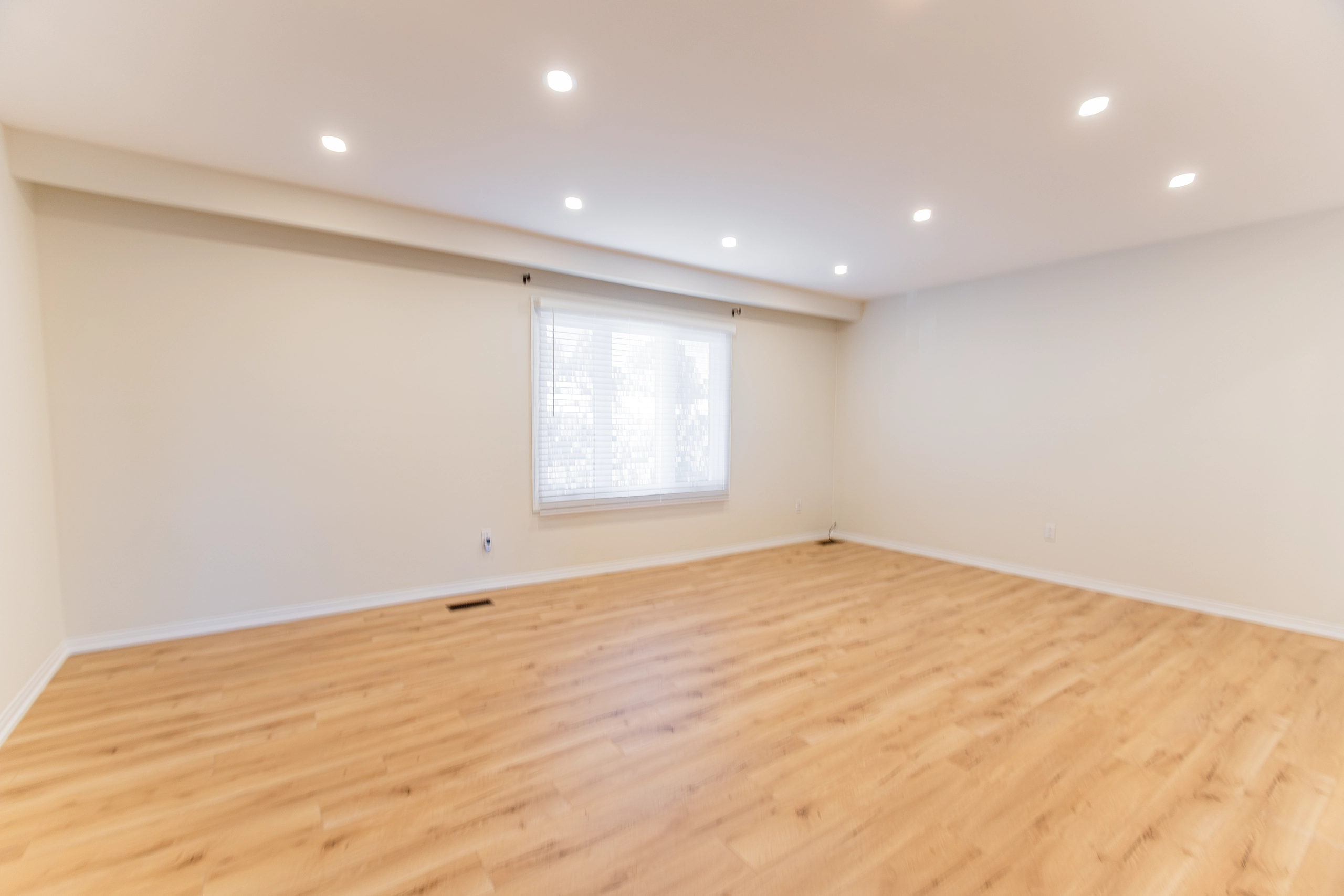
A poorly maintained unit is less attractive. If paint is peeling, appliances are old, or there are deferred repairs, renters may pass it over even in a tight market.
Investing in repairs and updating spaces can reduce the amount of time a rental unit is vacant. A unit in great condition gives renters confidence in the property and the landlord. A question I get asked often is, “Do you know anything about the landlord?”
When it’s a condo or apartment owned by a single individual, I truly know nothing about them. However, if we view their vacant unit and it’s dirty, things are broken, and the overall upkeep is below the average standards, then it speaks volume to what kind of landlord a prospective tenant will be dealing with. If they can’t be bothered to resolve these issues now, imagine what it will be like when you actually rent the place. Most tenants move on from these options quickly.
Regular inspections and preventive maintenance are often worth the investment, as they keep units occupied and reduce risk of damage or complaints. When tenants see well-maintained apartments, they are more likely to stay longer, reducing turnover and helping landlords maintain consistent income.
Tenant Preferences and Behaviour
Renters today are making choices that influence vacancy patterns too. Understanding tenant behaviour is essential for landlords looking to keep units filled.
Shifting Demands in Toronto Renters
Some renters prefer suburbs or smaller cities because they can afford more space for their money. This trend can leave more units vacant in the city core, especially when high rents outweigh the benefits of living downtown.
Renters also react to job trends. If someone can work remotely or their job changes, they may opt for places outside the city, leaving units longer on the market. Shifts in demographics, such as seniors downsizing or young families entering the rental market, also influence demand. Landlords who stay aware of these trends can better anticipate what tenants are looking for.
Competition from New Developments and Alternative Housing Options
New condo developments have added to rental supply, which can make older buildings less appealing unless they offer good value.
In some newer buildings, developers or investors will wait longer for higher rent offers rather than lease quickly. At the same time, affordable housing options offered by the government or non-profit organizations can compete with private rentals, making certain units harder to fill if tenants can access housing that costs less. Understanding the full landscape of available housing is crucial for landlords who want to minimize vacancies.
Strategies to Reduce Vacancies and Fill Empty Rentals
If you’re a landlord or investor, here are practical steps to reduce vacancies and keep rental units occupied.
Adjusting Rent and Incentives to Match the Market
Be flexible on rent.
If a unit sits empty longer than expected, reducing rent slightly can attract tenants faster and improve net income over time compared with long vacancy stretches.
Incentives like a free parking spot, flexible lease lengths, or including utilities can also make units more attractive without reducing advertised rent too much. Being realistic and aware of market conditions ensures units do not sit empty unnecessarily.
Effective Marketing Techniques for Rental Properties
Show your rental in the best light.
Professional photos, virtual tours, accurate descriptions, and listing on multiple rental websites can make a big difference.
Respond quickly to inquiries and be ready to show the unit promptly. Renters often look for places with the quickest turnaround. Highlight features that make your building or unit unique, such as access to parks, nearby schools, or updated appliances. Using social media and community boards can also create extra interest in the property. Effective marketing doesn’t just fill a vacancy, it attracts tenants who are likely to stay longer.
Conclusion
So, why Toronto rentals sit empty isn’t a single-factor answer.
It’s a mix of pricing expectations, housing market conditions, tenant behaviour, and how properties are presented in the first place. Whether it’s unmatched rent prices, competition from short term rentals, or units that don’t meet local preferences, there are many moving parts.
If you’re a landlord, pricing your unit right and knowing your target renters are essential. If you’re a renter, understanding what’s available, where, and why some units sit empty can help you make smarter choices in your search.
Thinking about your next real estate move? Whether you’re renting, selling, buying, or investing, I’m here to help. Contact me, Marco Pedri, to talk about the best course forward in Toronto’s dynamic real estate market. Together, we can make sure your rental strategy works, your units stay occupied, and your next move is the right one.