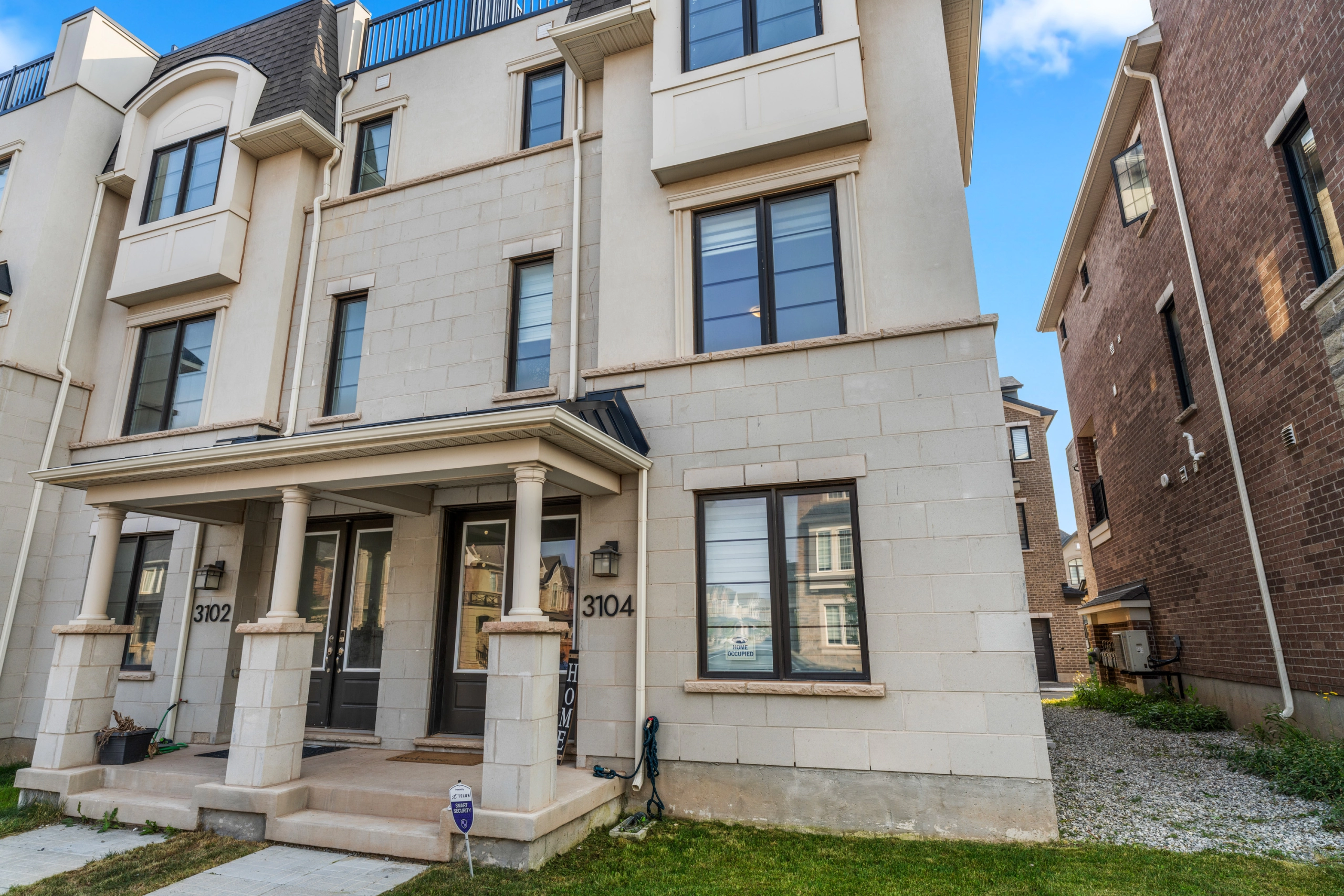
Tenant insurance, also known as renter’s insurance, is an insurance policy designed to protect people who rent a rental home or rental unit. It provides insurance coverage for your personal belongings, liability protection if you’re held responsible for damage or injury, and help with additional living expenses after a covered loss. Generally speaking, tenant insurance is about financial protection when common risks turn into real problems.
Many renters think their landlord’s insurance policy covers them, but that’s not the case.
Landlord’s insurance protects the property owner and the building itself, not your belongings or personal liability. Tenant insurance fills that gap and helps renters avoid major out-of-pocket costs.
If you’re renting a condo or apartment in Toronto, there’s a good chance you’ve heard the term tenant insurance tossed around without much explanation. Many renters assume it’s optional, confusing, or only useful in rare situations. That confusion often leads people to skip it altogether. As a Toronto real estate broker who works with renters every day, I see this mistake far too often.
In this guide, I’ll clearly explain what is tenant insurance, what it covers, and why it plays a key role in protecting both your finances and your peace of mind.
Why You Need Tenant Insurance for Any Rental Property in Toronto
Toronto rentals come with real risks, whether you’re living in a condo, basement apartment, or purpose-built rental. Fires, water damage from a burst pipe, or theft can happen in any rental property. Without tenant insurance, you’re responsible for replacing everything you own and paying certain costs yourself.
In many cases, landlords now state that tenant insurance is mandatory in the lease agreement or rental agreement. Even when it’s not required, most renters still need tenant insurance to protect their financial security. One accident can result in thousands of dollars in expenses, especially if you’re found responsible for property damage affecting other units in the building.
How Tenant Insurance (Renter’s Insurance) Differs From Home Insurance and Car Insurance
Tenant insurance is often confused with home insurance or car insurance, but they serve very different purposes. Home insurance is for property owners and covers the structure of a home. Auto insurance or car insurance covers vehicles and driving-related risks. Tenant insurance focuses on renters and their personal property inside a rental unit.
Unlike landlord’s insurance or a landlord’s insurance policy, tenant insurance protects your belongings and your personal liability. If you accidentally damage someone else’s property or cause unintentional property damage, tenant insurance can step in. It’s a separate insurance policy with coverage options built specifically for renters, not owners.
What Insurance Coverage Is Included in a Typical Tenant Insurance Policy
A standard tenant insurance policy usually includes three main types of coverage. The first is contents insurance for your personal belongings. The second is liability insurance, also called tenant liability insurance. The third is additional living expense coverage.
Tenant insurance coverage protects against specific insured peril events listed in the policy, such as fire, theft, or water damage. It’s important to understand coverage limitations and review what is and isn’t included with your insurance provider. Choosing enough coverage matters more than choosing the cheapest option.
Protecting Personal Belongings With Contents Insurance and Actual Cash Value
Contents insurance protects your personal property like furniture, clothing, electronics, and valuable items. If you suffer a covered loss, the insurance company may reimburse you based on actual cash value or replacement costs, depending on your policy.
Actual cash means the item’s value today, factoring in wear and age. Replacement costs cover the cost to replace the item new. High value items like fine art, jewellery, or specialized equipment may need extra coverage. Many renters underestimate the cost of replacing everything they own until it’s too late.
Understanding Liability Coverage and Liability Insurance for Renters
Liability coverage is one of the most important parts of tenant insurance. Liability insurance protects you if you’re found responsible for injury or property damage to someone else. This includes accidentally injuring a guest or damaging else’s property within the building.
Tenant liability insurance can also cover legal defence costs if you’re sued. Without liability protection, renters may have to pay these expenses personally. Even a small accident can turn into a serious financial problem if you’re held responsible.
Real-Life Examples of Liability Coverage Inside a Rental Property
Imagine water damage from a burst pipe in your rental home damages other units below you. Or a guest slips, falls, and gets injured inside your unit. In both cases, you could be found responsible for property damage or injury.
Tenant insurance cover can help pay to cover damage, medical costs, and legal defence costs related to a covered claim. These situations happen more often than many renters realize, especially in condo buildings with shared systems.
Additional Living Expenses: What Happens If Your Rental Property Becomes Unlivable
If your rental unit becomes unlivable due to a covered loss, additional living expenses coverage can help. This part of tenant insurance covers extra costs like hotel stays, temporary rentals, meals, and moving expenses while repairs are completed.
Additional living expense coverage helps renters avoid paying out of pocket during stressful situations. Without it, you may be forced to pay for short-term housing on your own, which can add up quickly in Toronto’s rental market.
How to Choose the Right Insurance Policy as a Toronto Renter
Choosing the right tenant insurance policy starts with understanding your needs. Consider the value of your personal belongings, your risk exposure, and whether you need extra coverage for valuable items. Insurance rates depend on factors like location, coverage options, and claims history.
It’s wise to compare a tenant insurance quote from more than one insurance provider. Look beyond cost and focus on enough coverage, reasonable coverage limitations, and strong financial protection. Professional advice can help ensure your insurance coverage fits your rental home and lifestyle.
Final Thoughts: When It Makes Sense to Get Tenant Insurance and Why Most Renters Need Tenant Insurance
Tenant insurance isn’t just a checkbox on a lease agreement. It’s a key tool for financial security, protecting your belongings, and covering liability risks that many renters face. From personal property loss to accidental damage and extra costs after a covered loss, tenant insurance provides real peace of mind.
If you’re renting, planning to move, or reviewing your lease agreement, tenant insurance should be part of the conversation. If you’re considering your next real estate move or want professional advice about renting, buying, or investing in Toronto real estate, reach out to me, Marco Pedri. I’m always happy to help you make confident, informed decisions.