If you’re looking to rent a home or apartment in Toronto or anywhere across Ontario, one of the first things you’ll need to deal with is a rental application. Whether you’re a first-time renter or just haven’t moved in a while, the process can feel overwhelming. You may be wondering, what is a rental application, why all this information is needed, or how much your credit score really matters.
Let me walk you through it all.
As a real estate broker in Toronto, I’ve helped many renters navigate this part of the application process. In this guide, I’ll explain what a rental application is, what landlords are looking for, and how to boost your chances of getting approved, especially in a competitive rental market like ours.
Understanding the Basics: What Is a Rental Application?

A rental application is a document that landlords or property managers use to screen potential tenants. It gives them important information about you so they can decide if you’re a good fit for the property.
Rental applications are usually required whether you’re renting a condo, house, or apartment. It’s a key step before you can sign a residential tenancy agreement (also called a lease agreement).
Why Landlords Use Rental Applications
Landlords want to protect their property and make sure their tenants will pay rent on time and take care of the space. A rental application helps them understand who you are, whether you have stable employment, and what your rental history looks like.
What Information Is Typically Collected?
Expect to provide your:
Full name and contact details
Current address and previous addresses
Employment history and employment status
Proof of income like pay stubs, bank statements, or tax returns
Credit score and consent for credit checks
References from previous landlords, current employer, or professional references
Government-issued ID like a driver’s license
You might also be asked about your pets, vehicles, or if you smoke. The questions asked all depends on the landlord or property management company.
The Rental Application Process Explained

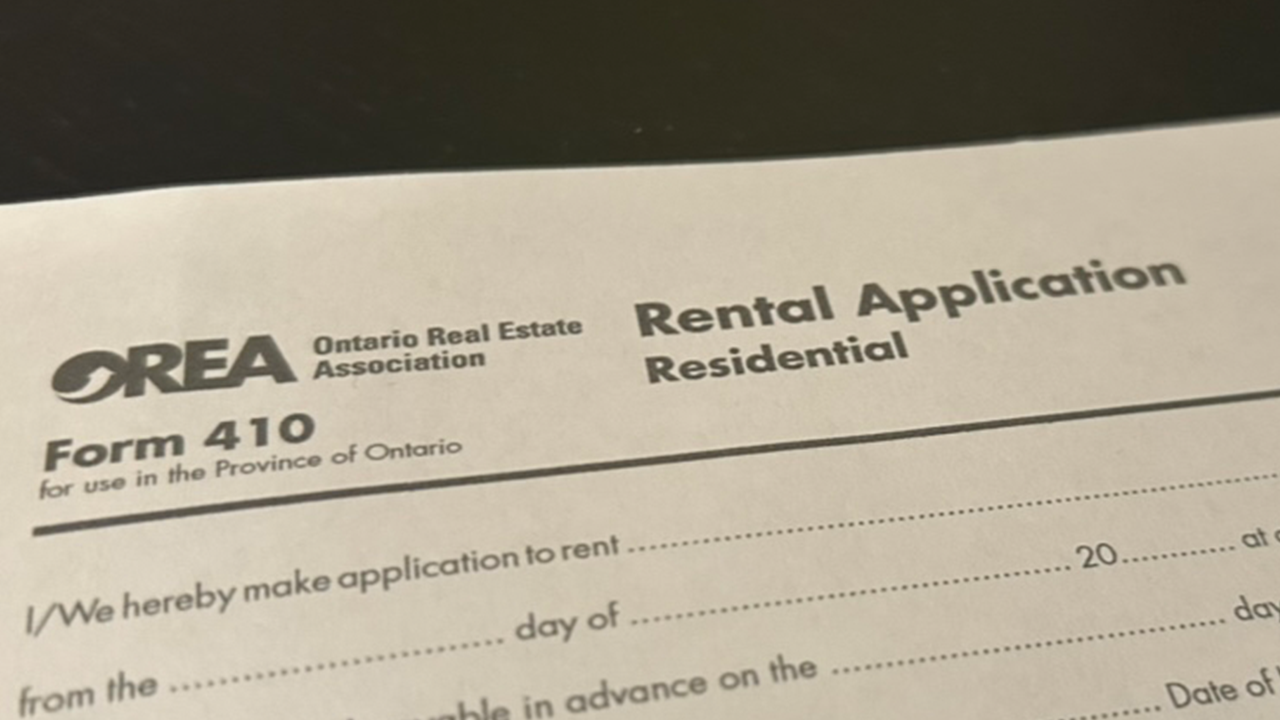
In Ontario, most landlords use a somewhat standard form which is commonly Form 410 drafted by OREA and only to be used by REALTORS®, but some may use their own custom rental application forms. Either way, the goal is the same: to collect all the necessary information to make an informed decision.
How the Application Process Works Step-by-Step
Find a listing you like.
Contact the landlord or property manager and schedule a viewing.
Submit the application form, along with any necessary documents.
The landlord begins the screening process by reviewing your info, doing background and credit checks, and calling your references.
You may be asked to provide extra info like a co-signer or additional documents.
If approved, you’ll be asked to sign the lease agreement and pay the last month’s rent as a deposit.
What Happens After You Submit the Application Form?
Once your application is in, the landlord usually reviews it within a few business days. If there are other applicants, it may take a bit longer. They might call your employer, check your applicant’s credit history, and speak with your past landlords.
Why Your Credit Score and Credit Report Matter

Your credit report tells landlords how you handle money. It shows things like loans, credit cards, payment history, and whether you’ve missed any payments.
A good credit score shows you’re responsible with your finances, and that’s a green flag for landlords. If you have a low credit score, it doesn’t mean you’ll be rejected, but you may need a co-signer or to offer extra proof of income.
Tips for Improving Your Credit Score Before Applying
Pay off outstanding debts
Avoid applying for new credit cards
Check your credit report for errors
Don’t max out your credit limit
Employment History and Income: What Landlords Want to See

Your employment history helps landlords understand if you have stable income to pay rent every month. This is just as important as your credit score.
Most landlords ask for your current employer’s contact info and at least 2–3 recent pay stubs or bank statements. Some may also want a letter of employment verification.
If you’re not salaried, you can use tax returns, client invoices, or a letter from your accountant. The key is to show that your income is reliable and ongoing.
The Role of Background Checks in Rental Applications

A background check is another layer of protection for the landlord. It can include criminal records, public records, and past evictions.
What Landlords Look For in a Background Check
They want to see that you’re trustworthy and responsible. Having a criminal record doesn’t automatically disqualify you, especially for non-violent or older charges, but honesty is important. Hiding information is a big red flag as most tenant screening software these days are able to pull up these records and if the landlord finds it first without you disclosing it, it might set the tone in a negative way.
Necessary Documents You’ll Need to Include

Being prepared with the right paperwork can speed things up and make you stand out to a landlord.
Here’s a list of necessary documents you’ll likely need:
Government-issued ID (e.g., driver’s license, passport)
Recent pay stubs or bank statements
Letter of employment verification
Copy of your credit report
Professional or personal references
Past rental history with previous landlords’ contact info
Navigating a Competitive Rental Market in Toronto

The Toronto rental market can be hot, especially during peak seasons like summer or end of summer right before school starts, and good units get snatched up quickly.
With high average rent and more applicants than units, landlords can afford to be picky. That’s why a complete and clean application is more important than ever.
Submit your application fast, include all documents, and show your reliability with a good credit score, stable employment, and strong references. A little preparation goes a long way.
Common Mistakes to Avoid on a Rental Application

You’d be surprised how many great tenants lose out because of simple errors.
Missing Info, Typos, and Other Red Flags
Leaving blanks on the form
Submitting blurry or incomplete documents
Not signing where required
Giving incorrect or outdated contact details
After applying, it’s fine to send a polite follow-up message after a few business days. It shows interest — just don’t overdo it.
From Approval to Lease: What Happens Next?
Once you’re approved, you’ll be invited to sign the lease agreement. This is a legal contract between you and the landlord.
Before signing, read the lease carefully. Look for things like:
Rent amount and due date
Length of the lease
Rules about pets or smoking
Who to contact for repairs
Make sure you understand your rights and responsibilities.
Conclusion

So, what is a rental application? It’s your first big step toward securing the right place to call home and in a competitive rental market like Toronto’s, every detail matters. By understanding the process, preparing your necessary documents, and avoiding common mistakes, you’ll set yourself up for success.
But you don’t have to navigate it alone.
If you’re looking for expert guidance through the rental process, I’m here to help. As a Toronto rental agent and Broker with Shoreline Realty Corp., brokerage, I specialize in helping renters find the right fit with confidence and ease.
Let’s find you the ideal rental. Reach out to me, Marco Pedri, today and take the stress out of your next move.