Renting a home in Toronto can be exciting, but it can also be stressful.
I hear it all the time during showings. Tenants look at me and ask, “Do you know anything about the landlord?”
It’s a fair question, especially when you are about to commit to a lease and pay first month’s rent. The truth is, most rentals in Toronto are owned by individual property owners, not a large property management company. Many times, I’ve never dealt with that landlord before. That’s why it’s so important for tenants to understand the signs of a bad landlord. Knowing what to watch for can help you avoid a poor rental experience, protect your tenant rights, and find a safe living environment that feels like home.
When people think about a bad landlord, they often imagine extreme situations.
In reality, the warning signs are usually more subtle. These signs of a bad landlord can show up before you sign a lease, during the showing, or months into the landlord tenant relationship. Knowing these red flags can significantly impact your rental experience.
What Does a Bad Landlord Look Like in Real Life?
Not all landlords are created equal. Most landlords are responsible and want good tenants. Still, there are cases where a landlord fails to meet basic expectations. Understanding what separates a good landlord from a bad one helps tenants make better decisions.
Defining a Bad or Negligent Landlord
A bad landlord is not just someone you disagree with. It is usually a landlord who ignores their landlord’s responsibility under Ontario law. A negligent landlord may fail to make essential repairs, ignore safety concerns, or create a hostile living environment. These actions go against legal standards and can affect your daily living conditions.
A good landlord, on the other hand, communicates clearly, respects your private space, and follows legal obligations landlords must meet.
Early Warning Signs Before You Sign a Lease
Many signs of a bad landlord appear before any rental agreement is signed. Prospective tenants should pay close attention during the first few interactions.
Common Landlord Red Flags During Showings
During showings, I often point out the actual unit, not just what it could be.
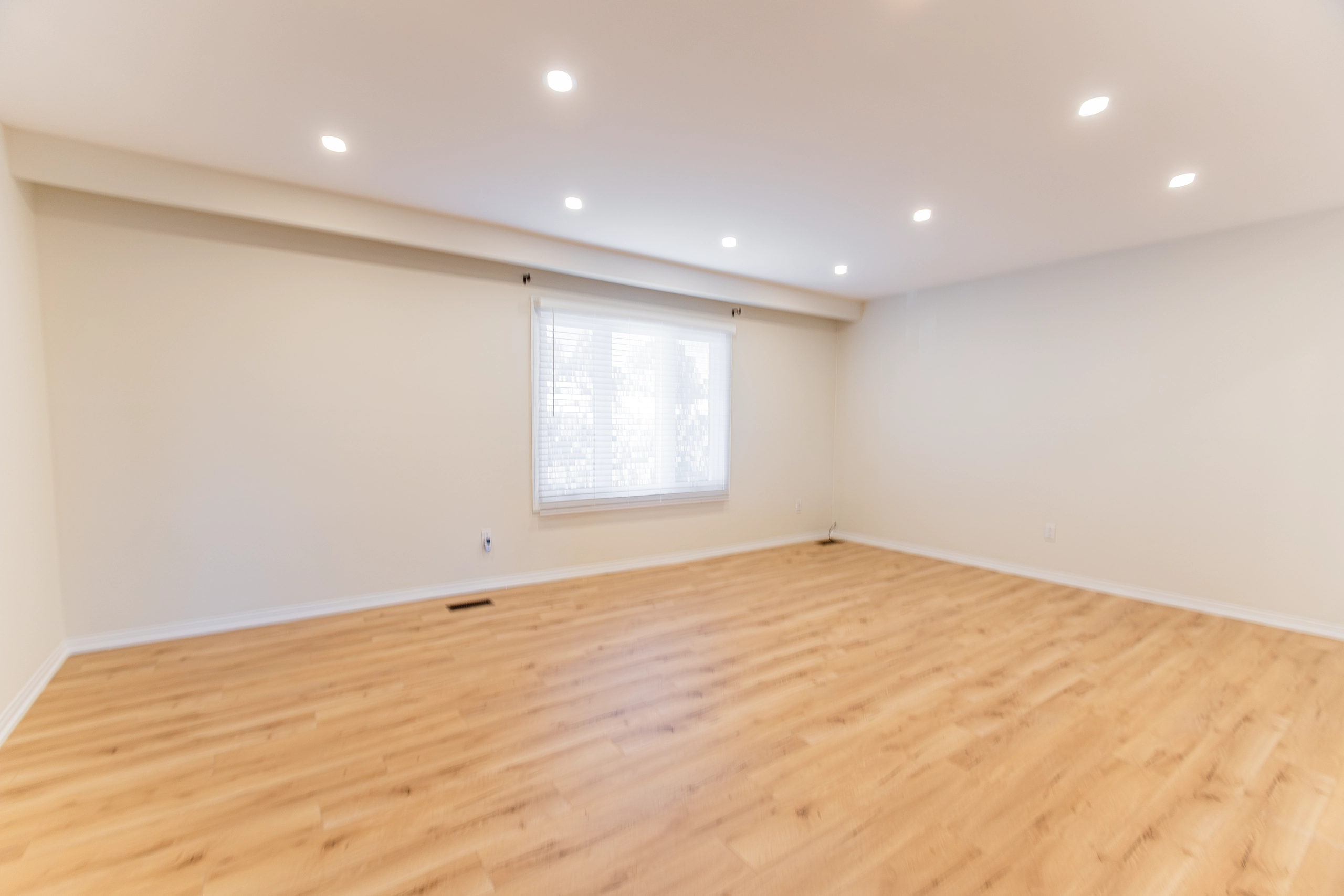
One telltale sign is a vacant rental unit that is in poor condition. If the unit is empty but still dirty, damaged, or has broken appliances, that is a red flag. If the property owner did not care enough to clean or repair the unit before listing it, there is little reason to believe they will care once you move in.
Poor condition at this stage often leads to ongoing tenant complaints later.
Poor Communication From Day One
Another early warning sign is poor communication. If a potential landlord is slow to return phone calls, avoids questions, or gives vague answers, that pattern often continues. Trouble contacting a landlord before you even sign the lease can turn into a major issue when you need help later.
1. Poor Communication and Responsiveness Over Time
Communication is the foundation of a healthy landlord tenant relationship. Without it, small issues can turn into serious violations.
Why Poor Communication Creates Bigger Problems for Tenants
Poor communication makes it harder to avoid disputes. When a landlord refuses to respond, tenants may feel ignored or disrespected. This can lead to delayed repairs, confusion around rent, or stress about providing proper notice. Good communication helps ensure fair treatment and builds trust between landlords and tenants.
2. Maintenance Requests That Go Ignored or Delayed
Maintenance requests are one of the most common sources of conflict in rental homes. How a landlord handles these requests says a lot.
Delayed or Denied Maintenance Requests Explained
A responsible landlord responds to maintenance requests within a reasonable time. A bad landlord may ignore multiple requests or claim repairs are tenant responsible when they are not. Necessary repairs, especially essential repairs like heat, plumbing, or broken appliances, fall under the landlord’s responsibility.
When a landlord fails to act, living conditions can quickly decline.
3. Property Conditions That Should Raise Immediate Concerns
The state of the property is one of the clearest signs of a bad landlord.
Poor Condition and Unsafe Living Conditions
Poor condition is more than cosmetic. Safety concerns such as mold, faulty wiring, or broken locks are serious issues. A safe living environment is a basic right. If a rental property does not meet legal standards, tenants may need to contact local authorities or consider legal action to protect their legal rights.
Issues Hidden in the Lease Terms
Many tenants assume everything in a lease contract is enforceable. That is not always true.
Unfair or Confusing Lease Terms Explained
Some lease terms are simply illegal. For example, asking for a security deposit beyond first month’s rent, banning all guests, or limiting reasonable use of private space are unenforceable clauses. These are clear landlord red flags. A professional landlord understands the law and uses standard lease terms that follow Ontario rules.
Missing or Incomplete Proper Documentation
Proper documentation matters.
Verbal agreements can lead to confusion and disputes. A good landlord provides a clear rental agreement, receipts, and proof of payments. Missing documents or refusal to provide proof is another warning sign.
Legal Obligations Every Ontario Landlord Must Follow
Ontario law sets out clear legal obligations landlords must follow. Ignoring them is not optional.
When a Landlord Ignores Their Legal Obligations
Legal obligations include providing proper notice before entry, completing essential repairs, and respecting tenant rights. Unannounced visits or failure to provide proper notice are serious violations. When a landlord ignores these rules, tenants are left feeling unsafe and uncertain.
Learning From Previous Tenants and Online Reviews
Past behaviour often predicts future behaviour. This applies to landlords as well.
What Previous Tenants and Online Reviews Reveal
Online reviews and conversations with previous tenants can reveal patterns. Repeated tenant complaints about poor communication, unaddressed maintenance requests, or unfair treatment are strong signs of a bad landlord. While not all reviews tell the full story, consistent feedback should not be ignored.
How to Avoid a Bad Landlord in the First Place
The best strategy is prevention.
Start by being honest with yourself about a unit’s condition before you sign the lease. If the rental is already in poor condition or shows signs of neglect, it’s a red flag.
Working with a professional Toronto rental agent is another powerful way to protect yourself. Someone like me has toured hundreds of rental units and seen a wide variety of landlords. Over time, it becomes second nature to identify which landlords are likely to be responsible and which may be negligent before a lease is signed. A knowledgeable agent keeps your best interests at the forefront, helps you understand lease terms, and ensures you are entering into a fair and safe rental agreement.
In summary, while not all landlords are bad, the signs of a negligent or unprofessional landlord are real. Poor communication, ignored maintenance requests, unfair lease terms, and unsafe living conditions are all warning signs that should not be overlooked. By being vigilant, asking the right questions, and working with a professional, you can avoid costly mistakes and secure a rental experience that is safe, comfortable, and positive.
If you are a new tenant, renewing a lease, or planning your next move, I am here to help. Reach out to me, Marco Pedri, to make sure your next rental experience in Toronto is a good one.