Finding tenants in a slow rental market can feel like an uphill battle. When there’s less demand and more rental properties competing for attention, many landlords face longer vacancies and lost income. The good news is, even in today’s competitive rental market, there are proven strategies to attract quality tenants and keep your rental property rented. With the right approach, you can turn a slower market to your advantage and find great tenants who will treat your property with care.
In this blog, I’ll walk you through everything you need to know about how to find tenants in a slow rental market in Toronto. From pricing and marketing your rental property listing effectively to screening tenants and negotiating lease terms, this guide will help you navigate a slow market with confidence. Whether you’re a seasoned landlord or just starting to invest in rental units, these tips will help you reduce vacancy time and secure reliable renters.
Understanding a Slow Rental Market

A slow rental market is a situation where there are more rental properties available than there are renters actively looking to pay rent. This imbalance means that landlords face increased competition to attract tenants, and rental properties tend to stay vacant longer than usual. In cities like Toronto, this can happen for several reasons, and knowing what causes a slow rental market can help landlords adapt their strategies effectively.
One common cause of a slow rental market is an increase in the number of rental units becoming available at the same time.
For example, if many new purpose-built rentals open in neighbourhoods like downtown Toronto or North York, tenants suddenly have more choices. This limited demand against a growing supply puts downward pressure on rent prices and lengthens the time it takes to find tenants. Additionally, economic factors such as job market changes or shifts in population growth can affect how many people are looking for rentals.
Seasonal trends also influence the rental market’s speed. Typically, rental demand picks up during spring and summer when families move and students look for housing. Conversely, fall and winter months often see slower activity, resulting in a temporary slow market. Not many people want to move in the winter.
A slow market impacts landlords by increasing vacancy periods and reducing rental income. It’s not just about how fast you can fill a unit, but about finding the right tenant who will pay rent on time and respect your property. Tenants, on the other hand, gain more options and bargaining power, which can result in better prices and rental incentives for them.
Recognizing the signs of a slow rental market such as fewer rental applications, longer listing times, or tenants requesting rent reductions is essential. This awareness allows landlords to adjust pricing, improve marketing efforts, and offer incentives to stand out from the competition. Understanding these market dynamics is the first step toward successfully finding tenants in a slow rental market.
What Causes a Slow Rental Market in Toronto?
A slow rental market happens when there are more rental properties available than renters looking to pay rent. As mentioned earlier, this can be due to seasonal changes, an increase in new rental units, or shifts in the local economy. For example, neighbourhoods like North York or parts of downtown Toronto may see a slow market when new purpose-built rentals flood the area or when people decide to move out of the city.
Limited supply usually pushes rents higher, but in a slow market, the opposite occurs. Landlords must compete by offering affordable options or incentives. Understanding why the rental market slows down helps landlords adjust their strategies to find tenants faster and which areas of their strategy they need to adjust.
How a Slow Market Affects Landlords and Tenants
In a slow rental market, landlords may face longer vacancy periods, which means less rental income and a higher risk of losing money on their investment. Meanwhile, prospective tenants benefit from more choices, better prices, and sometimes special offers or incentives.
But for landlords, it’s not just about filling a unit quickly. It’s really comes down to finding the right tenant. A slow market doesn’t mean accepting bad tenants; it means using the right tools to find great tenants who will pay rent on time and take care of your property. What you want to do is make your property stick out amongst the rest.
Signs You’re Experiencing a Slow Rental Market
If you’re seeing fewer rental applications, longer times for rental listings to be rented, or tenants asking for rent reductions and incentives, you’re likely in a slow market. Many landlords notice that rental properties sit vacant longer than usual or that there’s increased competition among landlords to attract tenants.
A great way to gather further information on whether the market is slow or if your marketing efforts need improvement is to connect with a professional leasing agent. They can provide expert guidance on whether the market as a whole is slow, or if your marketing efforts need improvement.
Preparing Your Rental Property to Attract Tenants
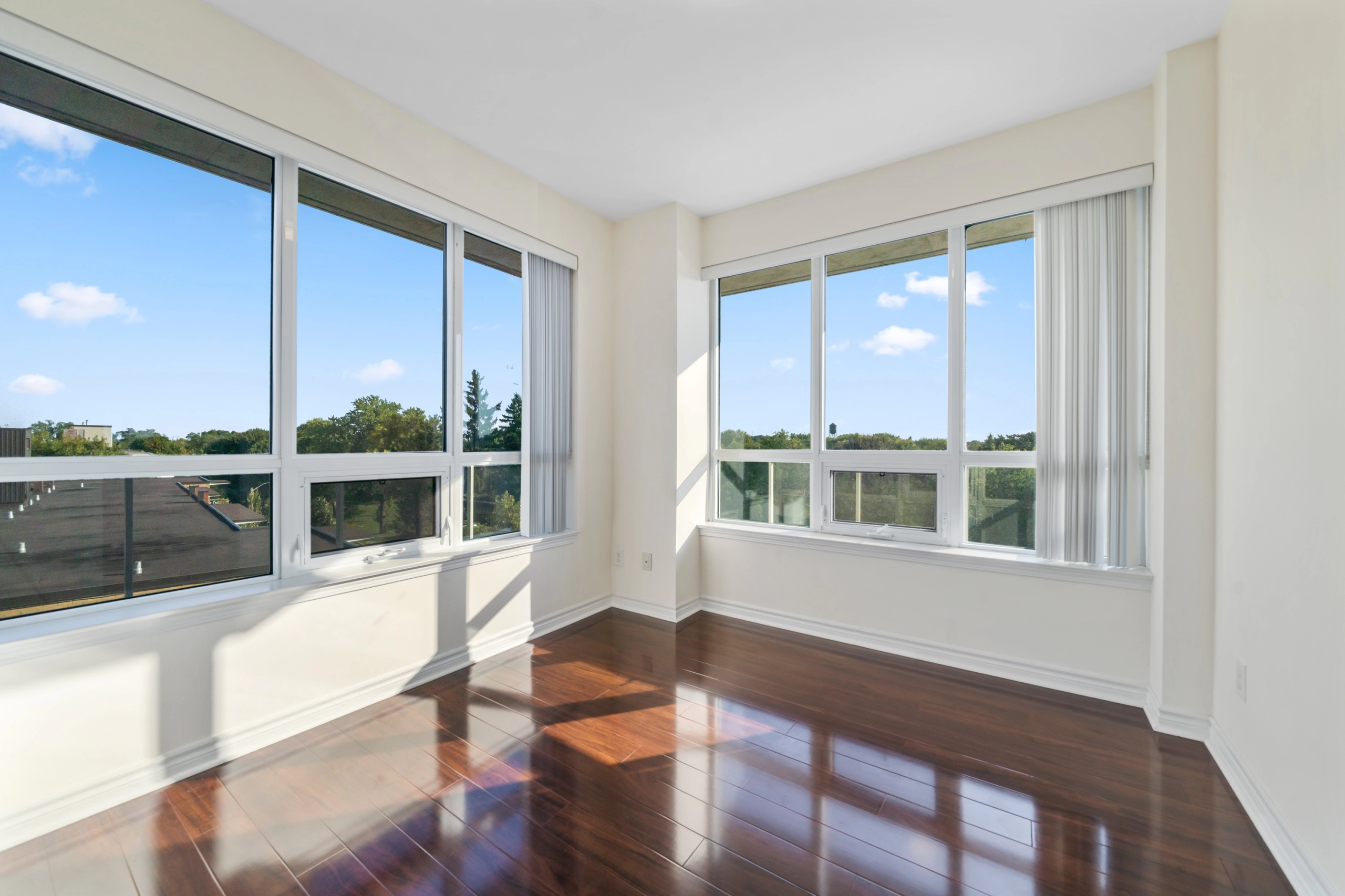
In a slow rental market, how your rental property looks and feels can make all the difference in attracting potential tenants. When renters have many options to choose from, properties that are well-prepared and inviting will stand out and get rented faster. Taking the time to prepare your rental property shows prospective tenants that you care about the unit, which builds trust and interest right from the start.
Presentation matters more than ever in a slower market because tenants will compare your rental to others that might be newer, cheaper, or in better condition. Even small improvements or small decorating choices can make a big difference.
For example, a fresh coat of neutral paint brightens up the space and helps it look clean and well-maintained. Fixing any minor repairs such as leaky faucets, squeaky doors, or chipped flooring prevents potential renters from seeing red flags that might turn them away.
Simple upgrades can also help justify competitive rent prices and attract quality tenants who are willing to pay a fair amount for a comfortable, move-in-ready unit. Adding modern touches like updated kitchen appliances, new light fixtures, or extra storage solutions increases the appeal of your rental property. Amenities such as in-suite laundry, air conditioning, or parking spots are often highly sought after and can set your property apart in a crowded market.
Professional photos and virtual tours are essential tools when preparing your rental listing. In today’s digital age, most renters begin their search online, so high-quality images that showcase your property’s best features can catch the attention of potential tenants quickly. Virtual tours allow renters to explore the space remotely, which is especially helpful for those relocating from outside the city or who want to limit in-person visits.
Ultimately, a well-prepared rental property not only attracts more interest but often results in better tenants who appreciate and take care of the space. Taking the time to make your rental property shine is an investment that pays off by reducing vacancy times and helping you find the right tenants faster.
Why Presentation Matters More in a Slow Market
In a slower market, your rental property must stand out from the crowd. First impressions count, so invest time in making sure your unit is clean, well-maintained, and appealing. Simple improvements can go a long way to catching the eye of potential renters.
Simple Upgrades That Make a Big Difference
Small upgrades like fresh paint, new light fixtures, or improved landscaping for better winter curb appeal or spring curb appeal can make your property feel more inviting. Sometimes, adding modern amenities such as in-suite laundry or better kitchen appliances can justify a competitive average rent and attract quality tenants willing to pay for more comfort.
The Importance of Professional Photos and Virtual Tours
In today’s rental market, quality photos are a must. Many renters search online and won’t consider properties without clear, bright, and professional images. Virtual tours are also becoming popular, especially when in-person showings are limited. They allow prospective tenants to get a feel for the space from the comfort of their own homes.
Some additional feedback that I personally received from tenant clients is the desire for floor plans. I have personally dealt with tenant clients who were not interested in viewing any units if they did not share a floor plan. By ensuring you cover all marketing assets for a rental property, you can ensure you are reaching all potential renters who are willing to submit a rental application.
Pricing Your Rental Competitively
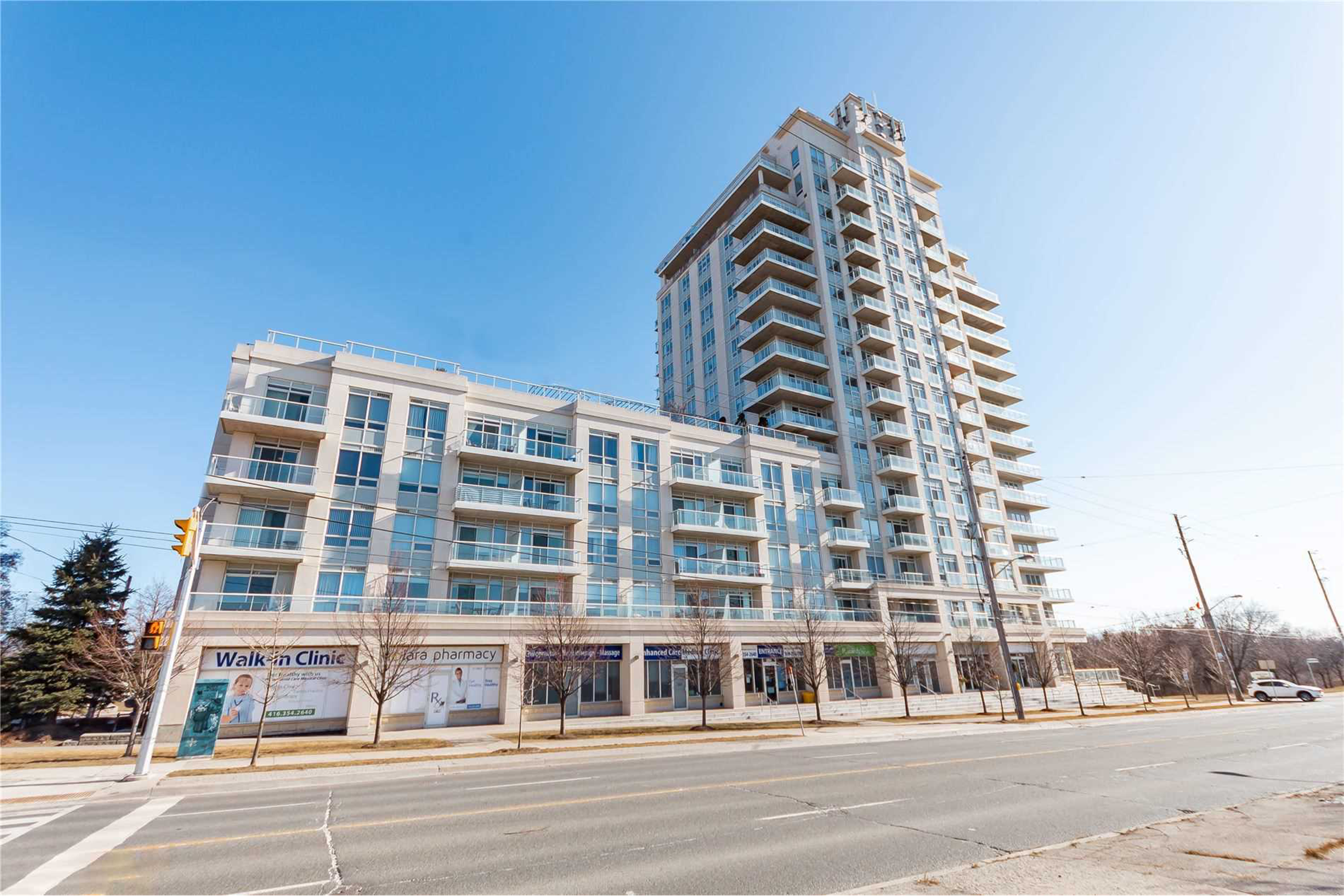
Setting the right rent price is one of the most important steps to find tenants in a slow rental market. This is typically the first filter people set when narrowing down rental units. If your rent is too high, potential tenants may overlook your property in favour of more affordable options. On the other hand, pricing too low can mean you lose out on valuable income. Striking the right balance helps attract interested renters quickly while ensuring your investment remains profitable.
To price your rental competitively, start by researching current market rent rates for similar units in your area. Look at rental listings for properties with comparable size, number of bedrooms, and amenities in neighbourhoods nearby. Checking real estate websites and rental platforms regularly will give you a sense of what tenants are willing to pay and what your competition is asking.
If your rental property has been sitting vacant for longer than expected, it might be time to adjust your rent price. Even a small reduction can make your unit more appealing to prospective tenants who are comparing multiple listings. Sometimes, offering a month’s rent free or other rent concessions can help close deals faster without drastically cutting into your earnings.
Offering incentives is another smart way to attract renters in a slow market. This could include covering utilities for the first month, waiving application fees, or providing free parking. These perks give your rental an edge without requiring you to lower the overall rent.
Being flexible and strategic with pricing shows that you understand today’s rental market and are willing to meet tenants halfway. Competitive pricing, paired with a well-maintained property and clear marketing, increases your chances of finding tenants quickly, even when the market is slow.
How to Research Market Rent Rates in Toronto
Pricing your rental property right is crucial to find tenants in a slow rental market.
Start by researching rental listings for similar units in your area. Check websites, rental platforms, and talk to local real estate agents who understand the market.
When and How to Adjust Your Rent Price
If your rental property has been sitting vacant for weeks or months, it may be time to consider adjusting your rent. Lowering rent slightly or offering a month’s rent free can attract tenants who are comparing several options.
Offering Incentives Without Losing Profit
Incentives like a free parking spot or a reduced key deposit can make your rental listing more attractive without significantly cutting into your bottom line. The goal is to save money in the long run by reducing vacancy time.
Marketing Your Rental Effectively

Marketing your rental property the right way is key to finding tenants in a slow rental market. When there are many rental listings competing for attention, your rental needs to stand out clearly and reach as many potential renters as possible. Effective marketing helps you connect with the right audience and reduces the time your property sits vacant.
Start by creating a clear and honest rental listing. Describe your property accurately, including the number of bedrooms, bathrooms, size, and any special features or amenities. Highlight nearby conveniences like transit access, schools, parks, or shopping centres, especially if your property is in popular areas. Avoid exaggerating or leaving out important details. Honesty builds trust and attracts tenants who are a good fit.
Posting your rental listing on the best online platforms is essential. Websites like Facebook Marketplace, Kijiji, and specialized rental platforms attract a wide audience of renters actively searching for housing. Using multiple platforms broadens your reach and increases the chance that the right tenant will see your property.
Social media and local community groups are powerful tools, too. Sharing your rental listing in neighbourhood Facebook groups or community forums helps you connect with renters interested in specific areas. This local exposure often reaches people looking for rentals nearby, giving you access to a more targeted audience.
Your listing’s headline is the first thing prospective tenants will see, so make it count. Use clear, catchy phrases that highlight key benefits and location. For example, “Affordable 1-Bedroom Apartment in Liberty Village with Parking” is more effective than a generic title like “Apartment for Rent.” Including words like “affordable,” “spacious,” or “move-in ready” helps catch attention and generate interest.
In a slow market, the right marketing strategy helps your rental property reach a wider audience of potential tenants and improves your chances of securing the right renter quickly. By being honest, using multiple channels, and crafting strong listings, you can stay ahead of the competition and reduce vacancy time.
Creating a Clear, Honest Rental Listing
Your rental property listing should be honest and detailed. Highlight important features like the number of bedrooms, access to public transit, nearby amenities, and the condition of the unit. Avoid overselling, as it can lead to disappointed tenants later.
Best Online Platforms to Find Tenants in Toronto
Sites like Facebook Marketplace, Kijiji, and rental-specific platforms are great places to post your rental listings. These platforms reach a wider audience of potential renters actively searching for rentals in Toronto.
Using Social Media and Local Networks to Spread the Word
Don’t underestimate the power of local Facebook groups or community forums. Sharing your rental listing in neighbourhood groups can connect you with renters interested in specific areas like Port Credit, Distillery District, Harbourfront, or Yorkville.
How to Write Headlines That Catch Attention
Your headline is the first thing potential tenants see. Use keywords like “affordable,” “bright,” “spacious,” and include location details. For example, “Spacious 2-Bedroom Rental in The Annex – Available Now!” draws more clicks than generic titles.
Screening Tenants Carefully in a Slow Market

Even when the rental market slows down, screening tenants carefully remains just as important. It can be tempting to fill a vacancy quickly by accepting the first application that comes along, but doing so may lead to problems with bad tenants who don’t pay rent on time or cause damage to your property. Finding great tenants who will respect your rental unit and meet their obligations protects your investment and saves you money in the long run.
A thorough screening process starts with reviewing rental applications closely. Look for steady employment and sufficient income, which tenants can prove through pay stubs or employment letters. Verifying income helps ensure that potential renters can pay rent consistently each month. Running a credit check is another useful step to assess financial responsibility and identify any red flags like missed payments or high debt levels.
References from previous landlords or personal contacts can provide valuable insight into a tenant’s history. Ask about the applicant’s reliability, behaviour, and how they maintained previous rental properties. This helps you avoid tenants who have a history of causing trouble or late payments.
It’s important to balance thorough screening with fairness and legal compliance. Under Ontario’s rental laws, landlords cannot discriminate based on factors like marital status, family status, or other protected grounds. Your screening criteria should focus strictly on the tenant’s ability to pay rent and care for the property.
In a slow market, the temptation to lower your standards can be strong, but maintaining a careful screening process helps you find the right tenant who will pay rent on time, stay long term, and keep your rental property in good condition. This approach builds stability for your rental business and reduces turnover costs over time.
Why Tenant Screening is Still Important
Even in a slower market, screening tenants is vital to avoid bad tenants who might delay rent or damage your property. The goal is to find great tenants who will respect the lease and pay rent on time.
What to Look for in Applications
Look for proof of income like pay stubs, stable employment history, and positive references. Running a credit check can help identify financial risks. Marital status or family details should not affect your decision unless relevant to the size or zoning of your rental property.
Balancing Fairness and Security
It’s important to treat all applicants fairly and follow Ontario’s tenant laws. At the same time, use a thorough screening process to protect your investment and find tenants who will be reliable and responsible.
Leveraging a Real Estate Broker to Find Tenants

Working with a Toronto rental agent like Marco Pedri can be a game-changer when you’re trying to find tenants in a slow rental market. A professional Toronto real estate broker brings experience, market knowledge, and access to a wider network that many landlords don’t have on their own. This can help reduce vacancy time and connect your rental property with serious, qualified renters faster.
A real estate agent who specialises in rental properties understands today’s competitive rental market and knows how to position your listing to attract the right tenants. They can advise you on pricing, marketing strategies, and how to prepare your rental property to stand out. Their expertise helps you avoid common pitfalls and speeds up the entire process.
When working with a rental agent, you can expect support throughout the tenant search. They handle listing your property on multiple platforms, organise showings, and manage inquiries from prospective tenants. They also assist with screening applications, ensuring you meet legal requirements while selecting reliable renters.
While there are fees involved in using a broker, many landlords find that the benefits outweigh the costs. Faster tenant placement means less lost rent and fewer vacancy days, which adds up to saving money. Plus, brokers often have access to renters who aren’t actively searching on public sites, expanding your pool of potential tenants.
Overall, leveraging a real estate broker provides peace of mind and professional support, making it easier to find great tenants in a slower market. If you want to streamline your rental process and get expert help, working with a trusted broker is a smart investment.
How a Broker Can Speed Up Tenant Placement
Working with a real estate agent who specialises in rental properties can save you time and effort. Brokers have access to a wider network and marketing tools that can help reach potential renters faster.
What to Expect When Working with a Rental Agent
A rental agent will manage showings, tenant screening, and lease negotiations on your behalf. They can also advise on pricing and market conditions to get your property rented quicker.
Fees and Benefits of Using a Professional
While there is a cost to using a broker, the faster placement and better tenant quality often save landlords money in the long term by reducing vacancy periods and turnover hassles.
Handling Showings and Open Houses During a Slow Market

In a slow rental market, how you manage showings and open houses can have a big impact on finding tenants quickly. With more rental properties available, potential renters often take their time viewing several options before making a decision. Being flexible and accommodating during this process can help set your property apart.
Scheduling showings at convenient times is key. Many prospective tenants work regular hours or have busy schedules, so offering evening or weekend appointments makes it easier for them to visit your rental property. Keeping the unit clean, tidy, and well-lit during showings creates a positive impression and helps renters picture themselves living there.
Staying engaged with prospective tenants after showings is just as important. Follow up promptly to answer any questions and gauge their interest. Providing additional information about the neighbourhood, nearby amenities, or lease terms can help keep tenants interested and encourage quicker decisions.
Virtual showings have become increasingly popular and are especially useful during a slow market. They allow potential renters to tour your property remotely, which can save time and make it easier to reach renters who live outside the area or prefer to limit in-person visits. Offering virtual options alongside traditional in-person showings widens your pool of interested tenants.
By handling showings and open houses with care and flexibility, you create a smoother, more positive experience for renters. This can lead to faster rental agreements and help you find the right tenants even when the market is slower.
Tips to Make Showings Safe and Convenient
Schedule showings at flexible times and keep the property clean and welcoming. In slow markets, it helps to accommodate prospective tenants’ schedules, including evenings or weekends.
How to Keep Prospective Tenants Engaged
Follow up quickly with interested renters after showings. Answer questions promptly and provide additional information about the neighbourhood or lease terms to keep them interested.
Virtual Showings vs In-Person Showings
Virtual showings are a great alternative to in-person visits, especially for tenants relocating from other cities. They allow renters to see the property without physical contact and help you reach a wider audience.
Negotiating Lease Terms to Close Deals Faster

In a slow rental market, being flexible and strategic during lease negotiations can help you find tenants faster and reduce vacancy periods. While rent price is important, other lease terms also play a big role in making your rental property more appealing to prospective tenants.
One key area to consider is flexibility on lease length and start dates. Some renters may prefer shorter leases if they’re unsure about long-term plans, while others may need to move in immediately. Offering options like six-month leases or allowing a move-in date that suits the tenant’s schedule can make your rental stand out from others with stricter terms.
An important note to consider is to first check with your condo bylaws and rules. Many condos are cracking down on Airbnbs and VRBO rentals. Many Toronto condos now have rules that if you’re leasing your unit, the lease agreement must be for a minimum of 12 months. No leases under 12 months, or 6 months, are allowed.
Offering rent concessions or move-in specials is another effective strategy. This might include a discounted rent for the first month, waived application fees, or covering certain utilities for a limited time. These incentives don’t have to significantly cut into your profits but can provide the extra nudge tenants need to choose your property over others.
Clear communication during negotiations is crucial to avoid future misunderstandings. Be upfront about your expectations regarding maintenance responsibilities, pet policies, and any other rules. Setting clear terms helps build trust and ensures both landlord and tenant are on the same page from day one.
By negotiating lease terms thoughtfully, you not only close deals faster but also attract tenants who are more likely to stay long term and take good care of your rental property. This approach saves you money and stress down the road, making your investment more secure.
Flexibility on Lease Length and Start Dates
Being flexible on lease duration or move-in dates can make your rental property more appealing. Some renters may prefer shorter leases or need immediate occupancy.
Rent Concessions and Move-In Specials
Offering rent concessions like a reduced rent for the first month or covering utilities can incentivize tenants to choose your rental over others.
Setting Clear Expectations to Avoid Future Issues
Be upfront about your rules, pet policies, and maintenance responsibilities. Clear communication during the lease negotiation helps prevent misunderstandings down the line.
Maintaining a Positive Landlord Reputation

In today’s rental market, a positive landlord reputation can make a big difference when trying to find tenants, especially in a slow rental market. Many prospective tenants research landlords or property managers online before applying. A good reputation builds trust and attracts renters who are responsible and respectful of your property.
Communicating effectively and responding promptly to tenant inquiries and maintenance requests shows that you care about their living experience. When tenants feel heard and supported, they are more likely to stay longer and take better care of the rental property. This reduces turnover and helps you avoid the costs and hassles associated with frequent tenant changes.
Encouraging tenant referrals is another powerful way to build your reputation and find new tenants. Happy tenants often recommend their landlord or property to friends and family who are looking for rentals. This word-of-mouth marketing can save you time and money on advertising, while bringing in renters who are more likely to be reliable.
Maintaining a positive reputation isn’t just good for filling vacancies quickly, it’s key to building long-term success as a landlord. By treating tenants fairly, communicating clearly, and keeping your property well-maintained, you create an environment that attracts great tenants and helps your rental business thrive.
Why Good Reviews Matter to Tenants
Many renters check online reviews of landlords or property managers before applying. A good reputation attracts quality tenants who want a positive rental experience.
Communicating Effectively and Responsively
Prompt responses to tenant inquiries and maintenance requests build trust and reduce turnover. Tenants appreciate landlords who are accessible and caring.
Encouraging Tenant Referrals
Satisfied tenants often refer friends or family, which can help you find new tenants faster without spending on advertising.
Preparing for Market Changes and Long-Term Success
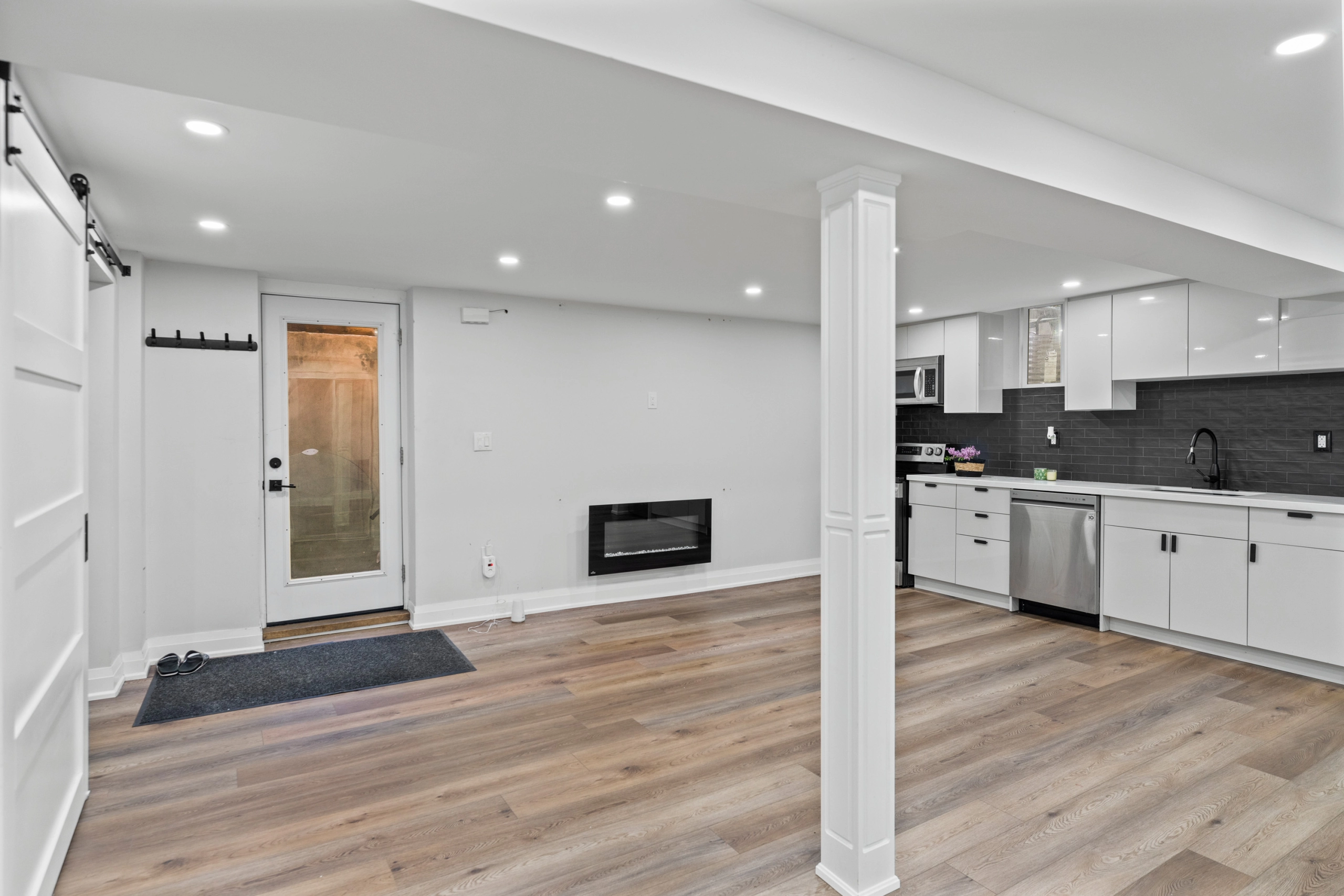
The rental market is always changing, and preparing for those shifts is essential to maintaining long-term success as a landlord. Keeping a close eye on rental market trends in Toronto such as changes in average rent, new developments, or shifts in tenant demand helps you stay ahead of the curve and make smart decisions for your rental properties.
Knowing when to adjust your strategies, whether that means updating your rental pricing, improving your property, or offering new incentives, can help you respond quickly to market changes. For example, neighbourhoods may experience fluctuations in rental demand depending on economic factors or new housing supply.
At some point, managing rental units on your own may become overwhelming, especially if you own multiple properties. Hiring a professional property manager can help ease this burden by handling tenant communications, maintenance, and rent collection. This allows you to focus on growing your investment portfolio while ensuring your rental properties are well cared for.
Maintaining steady cash flow during slower market periods requires careful budgeting. Setting aside funds to cover potential vacancy periods and ongoing maintenance costs helps you avoid financial stress. Regular upkeep and timely repairs keep your property competitive and appealing to prospective tenants, reducing vacancy time in the long run.
By planning ahead and staying informed, you can protect your investment and build a rental business that thrives regardless of market conditions. Preparing for market changes is not just about reacting but about positioning yourself for success today and well into the future.
Monitoring Rental Market Trends in Toronto
Keep an eye on rental market reports, average rent changes, and new developments in areas like Roncesvalles. Being informed lets you adjust your strategy as needed.
When to Consider Professional Property Management
If managing your rental property becomes overwhelming, hiring a property manager can improve tenant retention and streamline operations.
Tips for Maintaining Cash Flow in Slow Markets
Consider budgeting for vacancy periods and maintaining your rental property to keep it competitive. Smart financial planning helps you save money during slower times.
Conclusion: Taking Action to Find Tenants in a Slow Rental Market

Finding tenants in a slow rental market requires patience, preparation, and a proactive approach. By understanding market conditions, pricing your rental competitively, marketing effectively, and screening tenants carefully, you can reduce vacancy time and find great renters who will treat your property well.
If you’re a landlord or investor in Toronto looking to find tenants faster or want expert advice on managing your rental properties, I’m here to help. As a rental agent in Toronto, I am open to discuss how we can work together to get your rental units rented and keep your investment profitable. Don’t let a slow market hold you back. Reach out today and take the first step toward success.