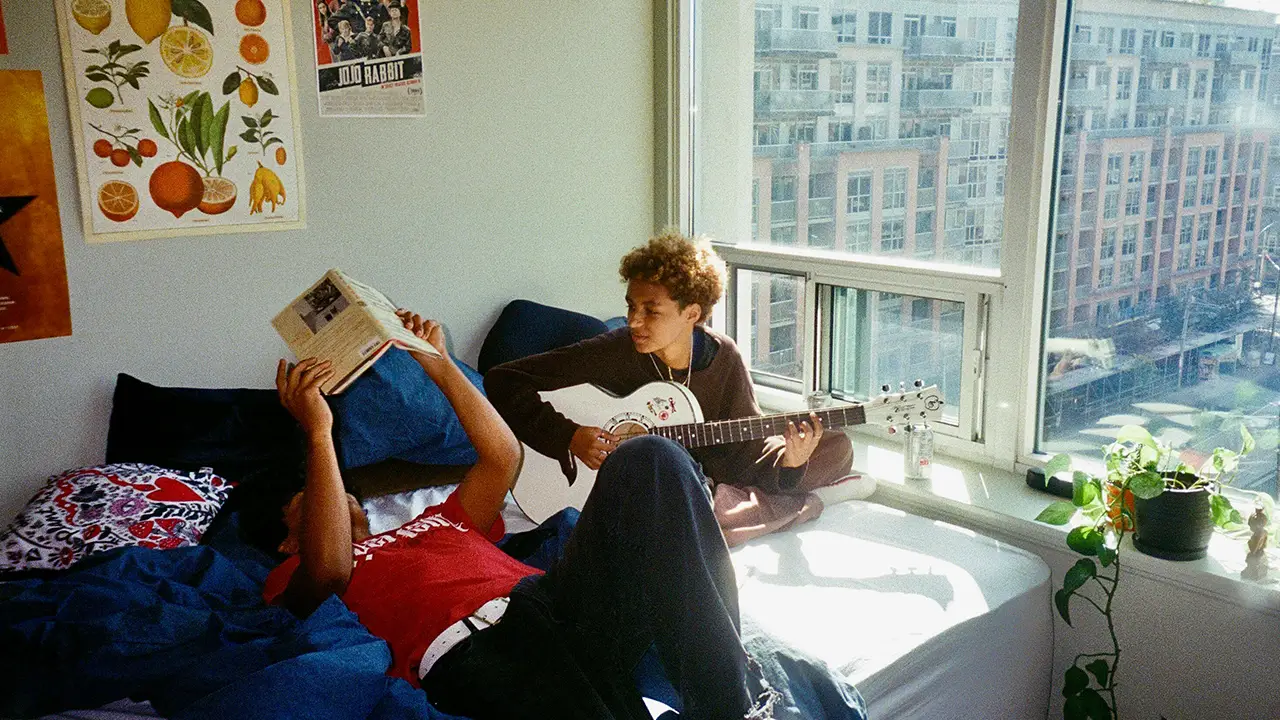
Rent in Toronto keeps climbing, and splitting a lease with a roommate has become one of the most practical ways to stay in the city without draining your bank account. If you’re wondering how to find a roommate in Toronto, the short answer is this: start with a dedicated roommate-matching platform, screen every candidate carefully, and put the details in writing before you sign anything together.
I’ve worked with renters across Toronto in this exact spot, from university students moving into their first shared apartment to young professionals cutting costs after a rent increase. The process feels overwhelming at first. It doesn’t have to be.
This guide walks you through where to look, what to ask, and how to protect yourself financially before you move in with someone new. By the end, you’ll know how to screen a roommate, set fair expectations, and move in with confidence.
Why More Toronto Renters Are Choosing to Find a Roommate
Splitting rent with someone else is not a new idea, but demand for shared housing in Toronto has grown as the cost of a one-bedroom apartment keeps outpacing wage growth for students and entry-level workers. A room in a shared apartment costs a fraction of what a private unit runs, and for many renters, it is the difference between staying close to work or school and moving farther out of the city.
Students heading to universities like U of T, Toronto Metropolitan University, and York often look for a roommate before they look for an apartment, since finding two or three people willing to sign a lease together opens up more listings than searching alone. If this is your first time renting, our tips for first-time renters cover the basics before you start the roommate search. Young professionals do the same thing for a different reason: they want a nicer building or a better location than their solo budget would allow.
The Average Rent for a Room in Toronto Right Now
As of mid-2026, a private room in a shared Toronto apartment typically rents for $950 to $1,550 a month, depending on the neighbourhood, the number of roommates, and whether utilities are included, according to rental data from Zumper. Central neighbourhoods like the Annex and Parkdale sit near the top of that range, while areas farther from downtown, including parts near York University, tend to run lower.
CMHC’s rental market data shows Toronto’s purpose-built rental vacancy rate climbing to around 3% this year, the highest it has been since before the pandemic. More supply and slower rent growth are giving renters a bit more room to negotiate than they had a couple of years ago, which is good news if you are budgeting for a shared space.
The Easiest Way to Find a Roommate in Toronto
The fastest way to find a roommate in Toronto is through a dedicated roommate-matching platform rather than a general classifieds site. Platforms built specifically for shared housing let you build a profile, list your budget and lifestyle preferences, and message potential roommates directly, instead of scrolling through listings meant for people searching for an entire unit.
I worked with a young client last year who spent three weeks scrolling general rental sites without a single reply. She switched to a roommate-specific platform, built a short profile about her schedule and habits, and had three serious conversations within the first week. She moved into a two-bedroom apartment near North York with a roommate she found through the platform, and the two of them still split rent there today.
Using Search Filters to Match with the Right Roommate
Most roommate-matching platforms let you filter by budget, move-in timeline, gender preference, pet tolerance, and lifestyle habits like smoking or noise level. Using these search filters early saves time, since you only browse profiles of people already close to what you are looking for instead of messaging everyone and hoping for the best.
Filtering by Move-In Date, Budget, and Room Type
Set your move-in date filter first. Toronto’s rental market moves fast, and profiles more than a month outside your timeline rarely lead anywhere. Next, narrow by budget and room type, whether you want a private room, a shared bedroom to cut costs further, or a specific setup like a furnished basement apartment close to transit.
What to Look for in Fully Furnished and Unfurnished Listings
A fully furnished room saves you the cost and hassle of buying a bed, desk, and dresser, which matters most for students and short-term renters who don’t want to haul furniture across the city. Unfurnished rooms usually rent for less each month, so if you already own furniture or plan to stay a year or longer, the lower base rent tends to save you more over time.
Ask to see photos of the actual room you would occupy, not stock photos of the unit. I had a client turn down a listing after the landlord could only send photos of the living room and kitchen. It turned out the bedroom had no closet and a window facing a brick wall, details the listing never mentioned.
Adding a Roommate to Your Lease: What’s Typical in Toronto
Before you sign anything with a new roommate, check your lease agreement to see whether your landlord needs to approve additional occupants. Most standard Ontario leases require written notice, and some buildings cap the number of people allowed per unit based on the size of the space. The City of Toronto’s property standards set general space requirements for bedrooms and shared units, so it is worth a quick look if you are considering a tighter squeeze to save money.
If you are the one signing a fresh lease with a new roommate rather than joining an existing one, both names typically go on the rental application together, and the landlord screens you as a pair. I always tell clients to have this conversation with their landlord early, in writing, rather than assuming it will work itself out. A five-minute email upfront saves weeks of confusion later.
Choosing Your Ideal Setup: Private Room vs. Shared Space
A private room gives you a locked door, your own space to unwind, and more privacy for guests, phone calls, or simply having a bad day without an audience. It costs more than a shared bedroom, but for most renters past their first year or two in the city, the extra privacy is worth the higher rent.
Sharing a bedroom, sometimes called a “shared room” or “bunk setup,” costs the least of any option and works well for students on a tight budget or renters who only need a home base for a few months. It rarely works long-term for two people who value quiet or keep different schedules, since there is nowhere to retreat to when one person wants to sleep and the other wants to study or watch a show.
Finding Roommates in Downtown Toronto vs. North York
Downtown Toronto puts you within walking distance of transit, nightlife, and most university campuses, but private rooms here often sit at the top of the price range, especially near the Annex, Kensington Market, or the Entertainment District. Roommate listings move fast in these areas, so a completed profile and a quick reply time matter more than in quieter parts of the city.
North York offers more space for a similar or lower price, with easy subway access along Yonge Street and a wider mix of newer buildings and basement units. Young professionals commuting downtown for work often land here specifically because they get a bigger room, sometimes a private bathroom, without paying downtown rates.
The Golden Rule for Roommates and How to Set Expectations Early
If there is one golden rule for roommates, it is this: put your expectations in writing before you move in together, not after a problem shows up. Cover rent splits, due dates, guest policies, cleaning schedules, and what happens if someone wants to leave early. A short written agreement, even an informal one, gives both people something to point back to instead of relying on memory.
I once helped a client whose roommate situation fell apart over something small: dishes left in the sink for days. Neither person had talked about cleaning habits before moving in, and by month three, they were barely speaking. A ten-minute conversation before signing the lease would have surfaced the mismatch early, before it turned into resentment.
Money causes the most friction of any roommate issue. Agree on a due date, a method of payment, and what happens if someone pays late, before you need the answer. Utilities included in one listing and split separately in another often catch new roommates off guard, so confirm this detail upfront rather than assuming.
Planning Your Move-In Date and Next Steps
Once you agree on a roommate, lock down your move-in date together and confirm it with the landlord in writing. Overlapping move-in dates, especially in buildings with elevator booking systems, need coordination ahead of time to avoid a stressful first day hauling boxes.
Before signing anything, both of you should walk through timing your rental search so you are not rushing into a unit under pressure. Renewal season in Toronto tends to run heaviest from May through August, so searching a month or two outside this window often turns up better listings and more negotiating room on rent.
Once the lease is signed, exchange emergency contacts, set up a shared expense tracking app, and confirm who handles internet, groceries, and other shared costs from day one. Small logistics handled early prevent bigger disagreements down the road.
Final Thoughts
Finding a roommate in Toronto comes down to using the right platform, asking direct questions upfront, and putting your agreement in writing before problems have a chance to start. Whether you land in a private room downtown or a bigger shared space in North York, the renters who do this well are the ones who treat the search seriously from day one.
I’m Marco Pedri, and I focus specifically on helping tenants across Toronto find rentals that fit their budget and lifestyle, from the first search through move-in day. I’m committed to honest advice, real local market insight, and guiding you through the entire rental process with confidence.
If you are searching for a rental in Toronto and want a second set of eyes on a listing, a lease, or a roommate situation, reach out to me directly. My name is Marco Pedri and I am a Toronto rental agent. I’m happy to walk through your options and help you find a place that actually works for you.