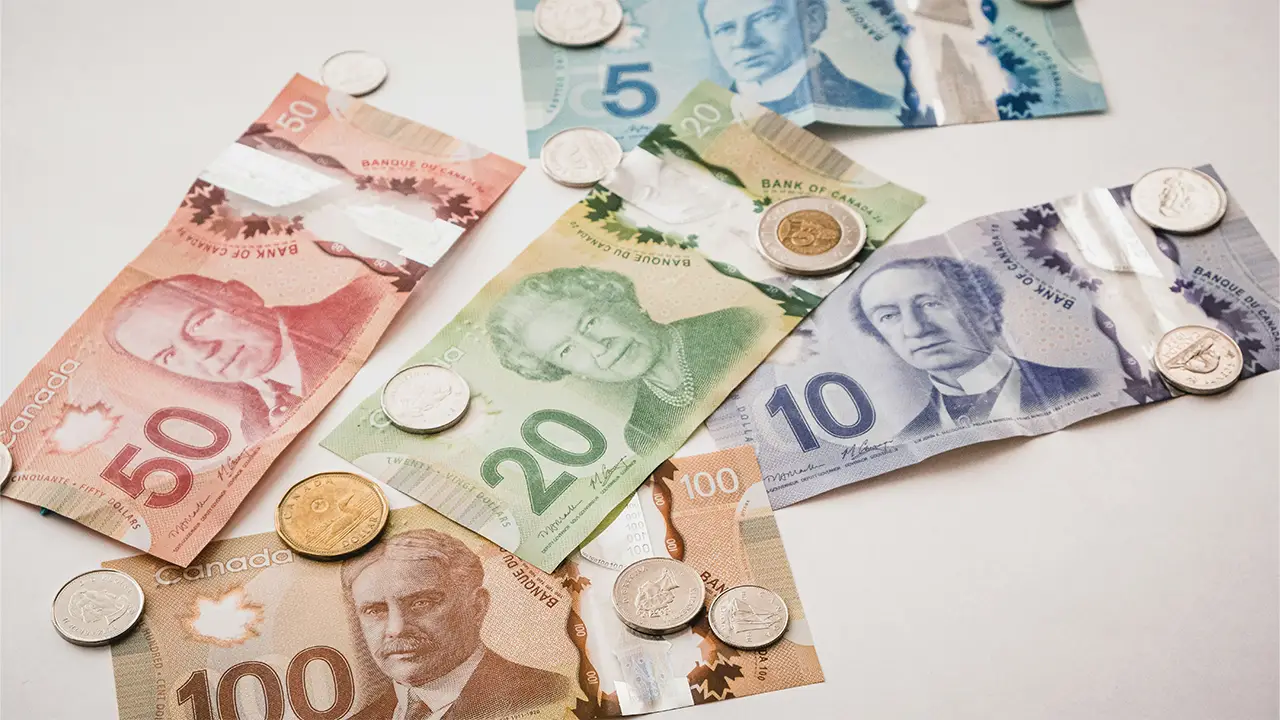
How much rent can I afford in Toronto? It’s the question I hear more than any other from people starting a search. The short answer: keep your rent at or below 30% of your gross income. On a $100,000 salary, your ceiling sits near $2,500 a month.
The trouble is, Toronto’s average rent for a one bedroom apartment also sits around $2,500. So a lot of people end up stuck in the gap between what they earn and what the listings ask.
I help tenants find rentals across this city every week. The people who struggle most rarely miss the rent number. They miss everything around it. Hydro. Parking. Groceries. The savings they quietly stop putting away.
In this guide, I’ll show you how to figure out your maximum rent, what landlords look for before they approve you, what rent prices look like right now, and the salary you need to live here without stress. I’ll also answer two questions I get all the time: is $130,000 a good salary in Toronto, and is $4,000 a month enough to live on?
How Much Rent Can I Afford in Toronto Using the 30% Rule?
The 30% rule is the starting point for almost every affordability conversation in Canada. Take your gross income, meaning your pay before taxes and deductions, and multiply it by 0.30. Divide by 12. The result is your monthly rent target. This isn’t a set in stone rule. Only a guideline.
The Canada Mortgage and Housing Corporation (CMHC) draws the line in the same place. It defines affordable housing as total shelter costs below 30% of gross household income. Shelter costs include utilities, so count those too.
Here’s how the math plays out. A $100,000 salary supports about $2,500 a month. A $106,000 income supports $2,650, which matches the average two bedroom apartment in the city. At $130,000, the 30% figure lands at $3,250.
Some planners use a 32% rule, which adds a little breathing room. Others prefer a 25% guideline. At 25%, more of your money goes to savings, investing, debt payments, and everything else in your life. I lean toward 25% for anyone carrying student loans or a car payment.
What Is the Maximum Amount of Rent I Should Pay?
Treat 35% of your gross income as the hard maximum. Past this point, most landlords might start saying no. Your budget starts saying no too.
I know plenty of renters stretch further. Many Toronto residents put 35% to 50% of their income toward housing costs, and I’ve watched how it plays out. I had a client, a nurse earning about $85,000, who signed for a $3,000 one bedroom near King and Spadina because she loved the rooftop amenities. Rent ate about 42% of her gross pay. Eight months later she called me. She had stopped contributing to her RRSP and was putting groceries on a credit card. We found her a $2,150 unit in Leslieville, and she told me the drop in stress was worth more than any rooftop pool.
If your current rent already sits above 35%, you’re not stuck. Look at your lease end date and start your plans for a move two to three months ahead. My rule is simple. If the rent only works when nothing goes wrong, the rent is too high.
What Landlords Check Before You Sign a Lease
Landlords run the same math you do, only stricter. Most Toronto landlords want a gross rent-to-income ratio of 30% to 35% at most. Above 35%, expect a request for a guarantor, or expect the landlord to move on to the next applicant.
They’ll also ask for an employment letter, recent pay stubs, a credit report, and references. My guide on what a rental application includes walks through each piece. Strong paperwork matters in buildings where five people apply for the same unit on the same weekend.
Plan for the upfront payment as well. In Ontario, tenants usually pay first and last month’s rent as a deposit when they sign the lease. Most landlords here use Ontario’s standard lease, and the deposit amount appears right on it. On a $2,500 unit, you need $5,000 ready before you get the keys.
Average Rent in Toronto’s Rental Market Right Now
Toronto’s average rent for a one bedroom apartment sits around $2,500. A two bedroom apartment averages about $2,650. Those two numbers shape nearly every apartment hunting decision I see. Rent data shifts month to month, so compare against current listings before you lock in a budget.
Location moves the price more than anything else. Rent prices run highest downtown and in the core, close to the financial district, the waterfront, and the subway. Head east to Scarborough, north to North York, or west into Etobicoke, and the same bedroom apartment often costs a few hundred dollars less. You trade commute time for space and a lower monthly payment.
Here’s how Toronto stacks up against other big cities in the country. Vancouver’s average rent for a two bedroom is about $3,800. Montreal’s two bedroom average is about $1,820. Calgary’s one bedroom average is about $1,780. Toronto lands in the upper middle, cheaper than Vancouver but well above Calgary and Montreal. A few of my clients who work remotely have looked at London, Ontario for exactly this reason.
Timing matters too. Competition peaks in late summer and early fall when students and new grads arrive. Read my take on the best time to look for a rental before you set your move date.
Is $130,000 a Good Salary in Toronto?
Yes. For a single person, $130,000 is a strong salary in Toronto. Under the 30% rule, you have room for up to $3,250 a month in rent. After federal and Ontario taxes, CPP, and EI, your take-home pay works out to roughly $7,700 a month.
At this income, the average two bedroom apartment costs about 24% of your gross pay. You stay under the 25% guideline with space to spare.
One of my past clients, a software developer earning about $130,000, asked me whether to take a $3,200 condo in Yorkville or a $2,400 one bedroom in the Junction. He chose the Junction and put the $800 difference toward a down payment every month. Two years later, he bought his first condo with a mortgage he was comfortable carrying.
For a family living on one income, $130,000 stretches less. Daycare, food for four, and the need for more bedrooms change the picture fast.
Is $4,000 a Month Enough to Live in Toronto?
If $4,000 is your take-home pay, you’re earning around $63,000 a year before taxes. The 30% rule puts your rent target near $1,575 a month.
Here’s the problem. The average one bedroom apartment at $2,500 would eat more than 60% of your take-home pay. Living alone in an average unit at this income doesn’t add up.
You still have good options. A roommate in a two bedroom splits $2,650 down to about $1,325 each. Basement apartments in Toronto often rent for well under the one bedroom average, usually under the same roof as the owner. A room in a shared house costs less again.
After a $1,600 rent payment, you have about $2,400 left for food, transit, phone, utilities, debt payments, and savings. Tight, but workable with a budget you stick to.
What Salary Do You Need to Afford Rent and Live Comfortably in Toronto?
Wages vary a lot by industry, so start with your own number, not a city average. For one person in an average one bedroom, you need about $100,000 to hit the 30% mark. To comfortably afford the same unit at 25%, you need closer to $120,000.
For a two bedroom at $2,650, the 30% rule calls for $106,000. At 25%, the number climbs to about $127,000.
Calculating rent this way only tells half the story. You also need to plan for non-housing expenses, your savings goals, and lifestyle factors like how often you eat out or travel. The Government of Canada’s budget planning tool helps you map out the rest of your monthly costs before you start touring units.
I recall helping a young couple, each earning about $60,000, who wanted a two bedroom in Leslieville. Combined, they made $120,000, so a $2,650 unit came in around 26% of their gross income. They felt nervous at first. Once we laid out their full budget, they saw room for groceries, a weekend trip every few months, and steady savings. To me, living comfortably means exactly this: your rent gets paid, your savings grow, and one surprise bill doesn’t wreck your month.
Costs Beyond Rent Every Renter Faces in the Toronto Rental Market
Rent is the biggest cost, not the only one. Utilities such as heat and hydro are sometimes included in the lease and sometimes not. Always ask before you sign, because the difference adds up over twelve months.
Tenant insurance is commonly required and usually costs between $15 and $50 a month. My article on whether you need tenant insurance explains why it’s worth having even when a landlord doesn’t ask for it.
Parking is a big one downtown. A spot often adds $100 or more a month, and some buildings have a waitlist. Then come internet, moving costs, and furniture for a bigger space.
A comment I hear from first-time renters all the time: “I forgot to budget for internet.” Small costs like this catch people off guard. Repairs are another one. If a unit looks tired at the showing, ask how quickly the landlord handles maintenance requests, because waiting weeks for a fix is a cost of its own. If this is your first place, my tips for first-time renters cover the rest of the checklist.
Final Thoughts
So, how much rent can I afford in Toronto? For most people, the answer is 30% of gross income, with 35% as the ceiling and 25% as the comfortable target. Build in utilities, insurance, and the first and last month’s deposit. Then pick a number where you pay rent every month, maintain your savings, and still save a little extra. Toronto has its challenges for renters, but a clear budget leaves you free to enjoy the city.
Whether you’re renting your first apartment in Toronto or moving into a bigger place downtown, the right rent number makes the whole search easier.
I’m Marco Pedri, a Toronto rental agent, and I focus specifically on helping tenants in Toronto find rentals they comfortably afford, from setting a realistic budget and comparing neighbourhoods through to signing the lease and moving in. I’m committed to honest advice, real local market insight, and guiding you through the entire process with confidence.
If you’re weighing a few listings and not sure which one fits your budget, send me a message. I’ll run the numbers with you, no obligation, and help you land a place you’re happy to come home to.