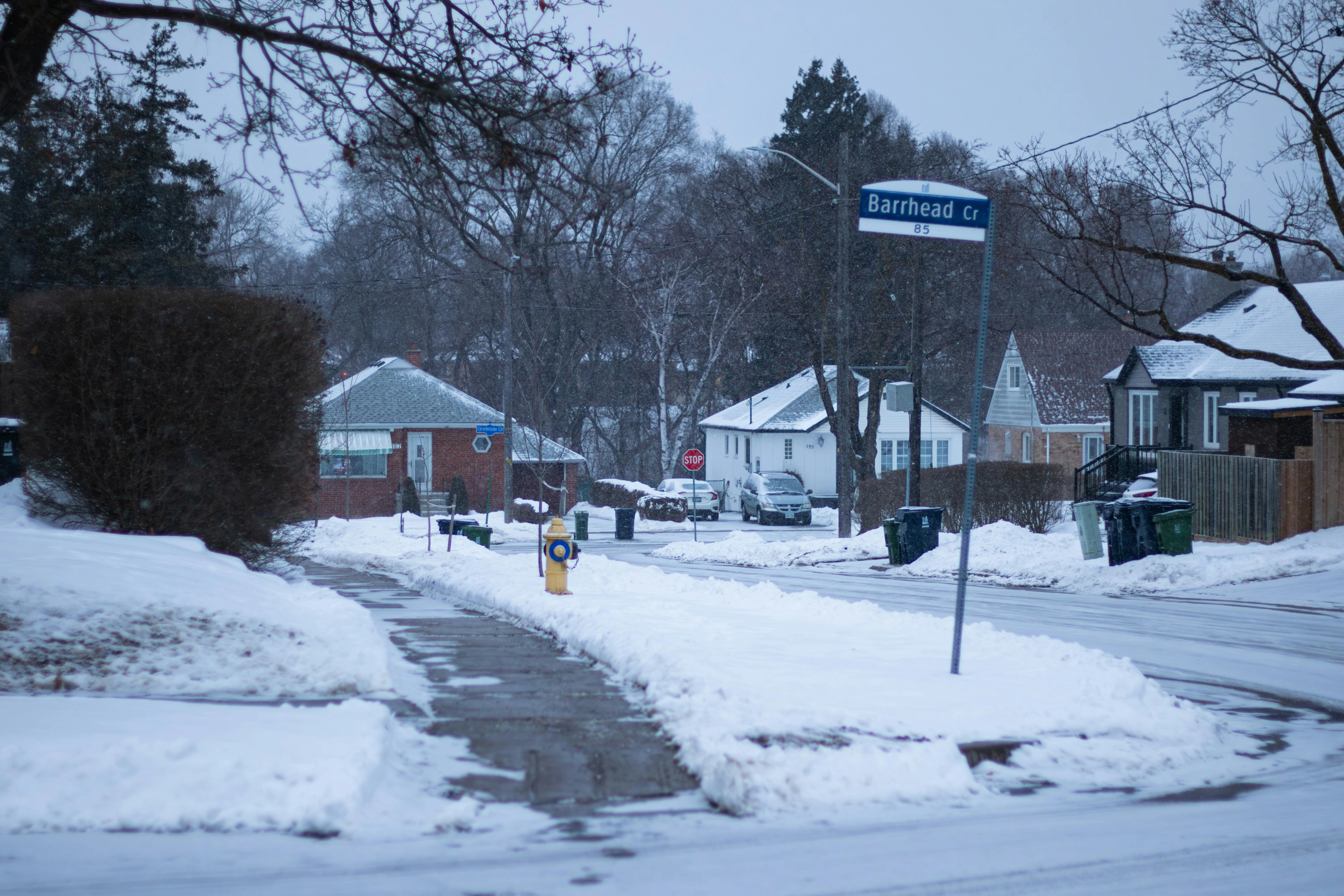
Finding the right rental in Toronto can feel like a race against the clock. Apartments move quickly, prices shift with the seasons, and competition changes depending on the month. Whether you’re a student, young professional, or growing family, understanding the best time to look for a rental can make all the difference.
In this blog, I’ll break down how timing affects the Toronto rental market, what months offer the best prices, and how to plan your move strategically to secure the right property at the right time.
Why Timing Matters in the Toronto Rental Market

In Toronto, timing can significantly impact what you pay for rent and how many options you have.
Like most large cities, the rental market follows a predictable rhythm tied to demand, weather, and the real estate market overall. During some months, there are more listings and more competition. In others, landlords are more flexible and eager to fill vacancies.
Understanding these seasonal patterns can help renters avoid paying higher rental rates and instead focus their apartment hunt during off-peak seasons when demand is lower.
How Seasonal Demand Affects Rent Prices and Availability
The number of available rentals in Toronto fluctuates throughout the year. The summer months often bring increased competition as tenants move for school, work, or life changes. In contrast, the winter months usually have fewer people searching, which often means lower average rent and more negotiating power. For example, you might find a better deal in February than in July simply because fewer renters are looking.
Understanding the Rental Market Cycle

The rental market in Toronto runs on a cycle that follows both human behaviour and the city’s weather patterns. Most leases end between April and September, creating a surge in listings and activity. This is when many renters plan their moves, especially families and students.
During this busy stretch, landlords can charge more, and properties rent quickly. Meanwhile, in the winter months from November through March, there’s less movement, meaning landlords are often more open to negotiation or short-term leases just to fill units.
Summer Months vs. Winter Months – What Renters Should Know
If you’re apartment hunting in the summer, expect more competition and higher prices. The warmer weather and longer days make moving easier, so listings turn over faster. July and August are peak months, especially in neighbourhoods near universities.
The winter season, however, is an off-peak time. While there may be fewer apartments to choose from, you can often lock in the lowest rental rates of the year. Planning your move for January or February could save you hundreds of dollars annually, especially if you’re flexible about your move-in month and apartment-style properties.
The Best Time to Look for a Rental

When you’re planning your apartment search, timing your approach can make a big difference. Generally, the best time to look for a rental in Toronto is during the winter or early spring when fewer renters are competing.
A Month-by-Month Breakdown of Toronto’s Apartment Search Trends
January to March: These winter months are considered the best time to find lower prices. Landlords are eager to fill vacancies, and there’s less pressure to move quickly.
April to June: Listings start to rise, and competition grows. It’s a good time for families and professionals who need more options.
July to September: This is peak rental season. College students return to the city, creating high demand and higher prices.
October to December: Activity slows again. If you begin your search around the middle of October, you may find a great deal before the holidays.
How College Students Shape the Apartment Hunt

College students play a major role in the Toronto rental market. Their leases often end in the summer months, creating a wave of available rentals from May through August. This also means higher demand, especially for properties near schools like the University of Toronto, TMU, or George Brown College.
If you’re a student renter, it’s essential to plan early around March or April to avoid increased competition. For non-student renters, waiting until the second week of September can be a strategic move, as the rush starts to slow and landlords may be willing to negotiate on price or lease terms.
Why the Student Rental Rush Can Drive Up Average Rent
When thousands of students return to the city each summer, demand surges, and landlords can ask for higher rents. This short window between July and September can see average rent prices rise quickly. If you’re not tied to the school calendar, exploring rentals outside this period can save you both money and stress.
The Worst Month to Find a Rental (and Why)
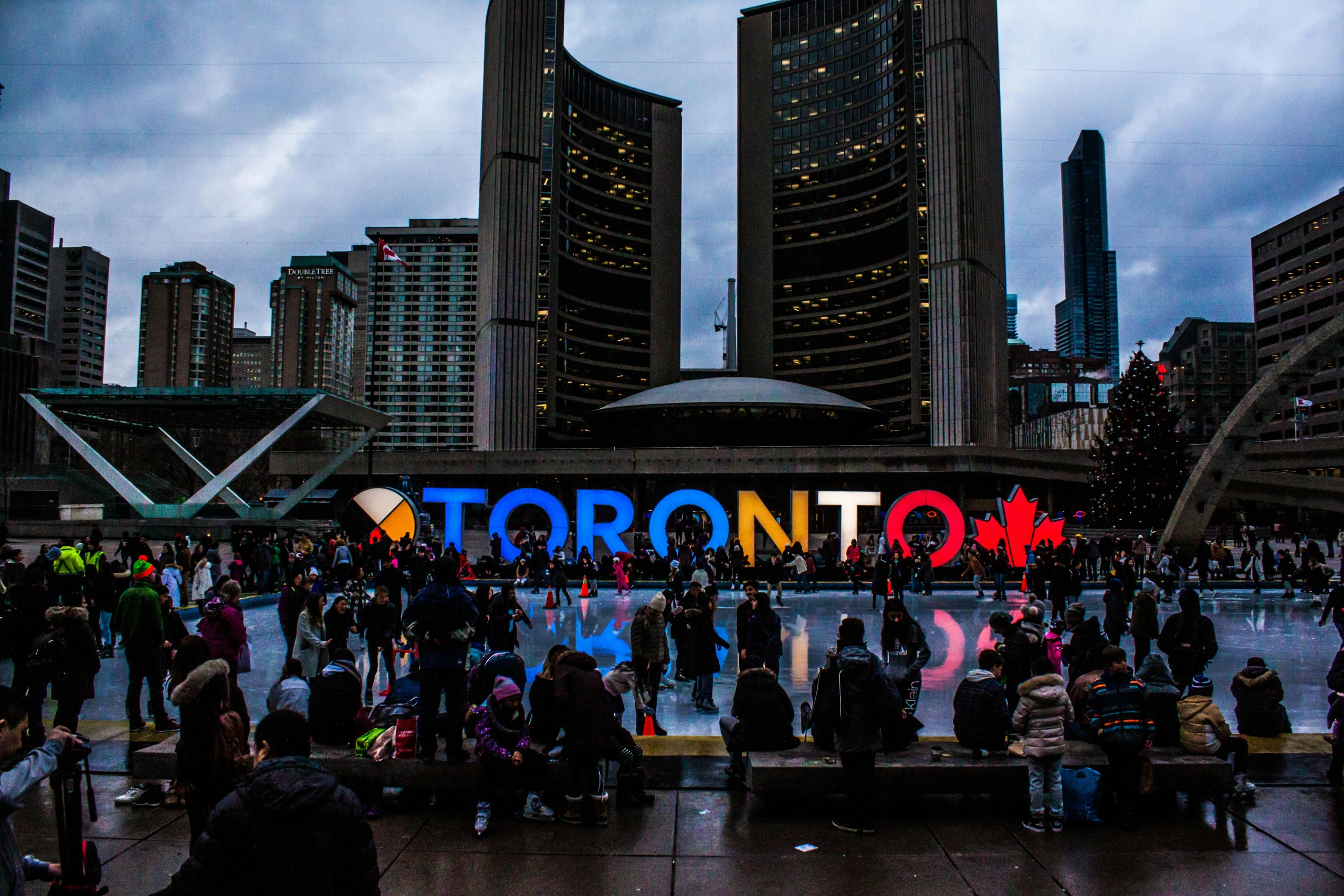
The worst month to find a rental in Toronto is typically July. It’s the peak of the apartment hunt season, with increased competition and higher rental rates. Many renters feel rushed to secure a property, leading to overpaying or settling for less-than-ideal housing. Waiting until later in the fall can help you avoid inflated prices and rushed decisions.
Balancing Price and Selection

When planning your rental process, it’s about finding the right balance between cost and availability. The months with the best prices often have fewer listings, while the months with more options come with steeper rents. Timing your search around your budget and desired move-in date is key to securing a property that meets your needs without stretching your income too far.
A good strategy is to start your search about six to eight weeks before your preferred move-in month. This gives you enough time to compare options, gather necessary documents, and complete rental applications before the rush. For most renters, this approach provides a mix of selection and negotiation power.
Final Thoughts – Make the Market Work for You

The Toronto rental market moves fast, but with the right planning, you can stay ahead of the curve. Understanding seasonal trends and aligning your search with off-peak seasons can help you find better deals and avoid unnecessary stress.
As a local real estate agent, I help renters, buyers, and investors navigate Toronto’s ever-changing housing market with confidence. If you’re ready to explore your next move, contact me, Marco Pedri, Toronto rental agent, to start your search with expert guidance and secure the right rental at the right time.