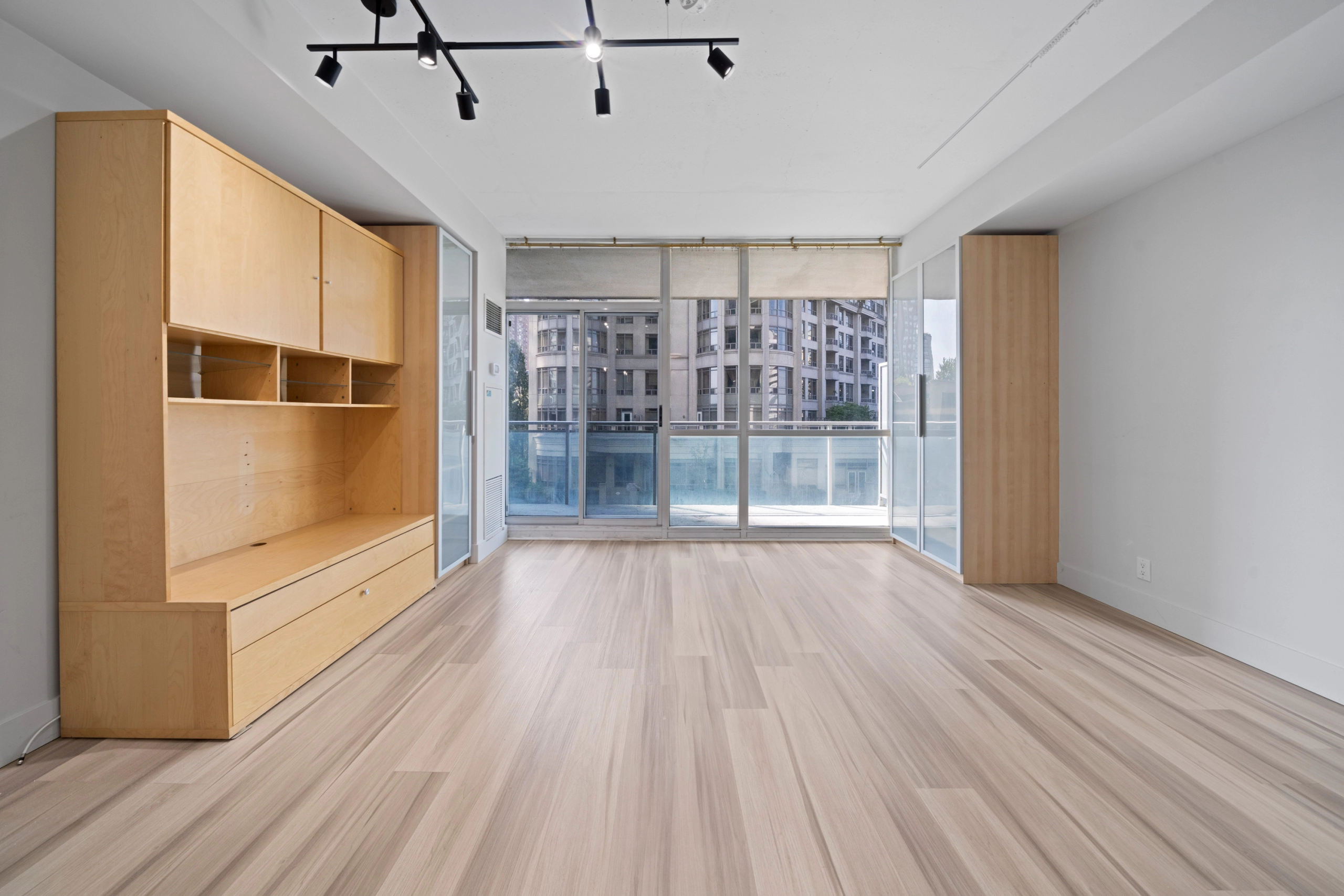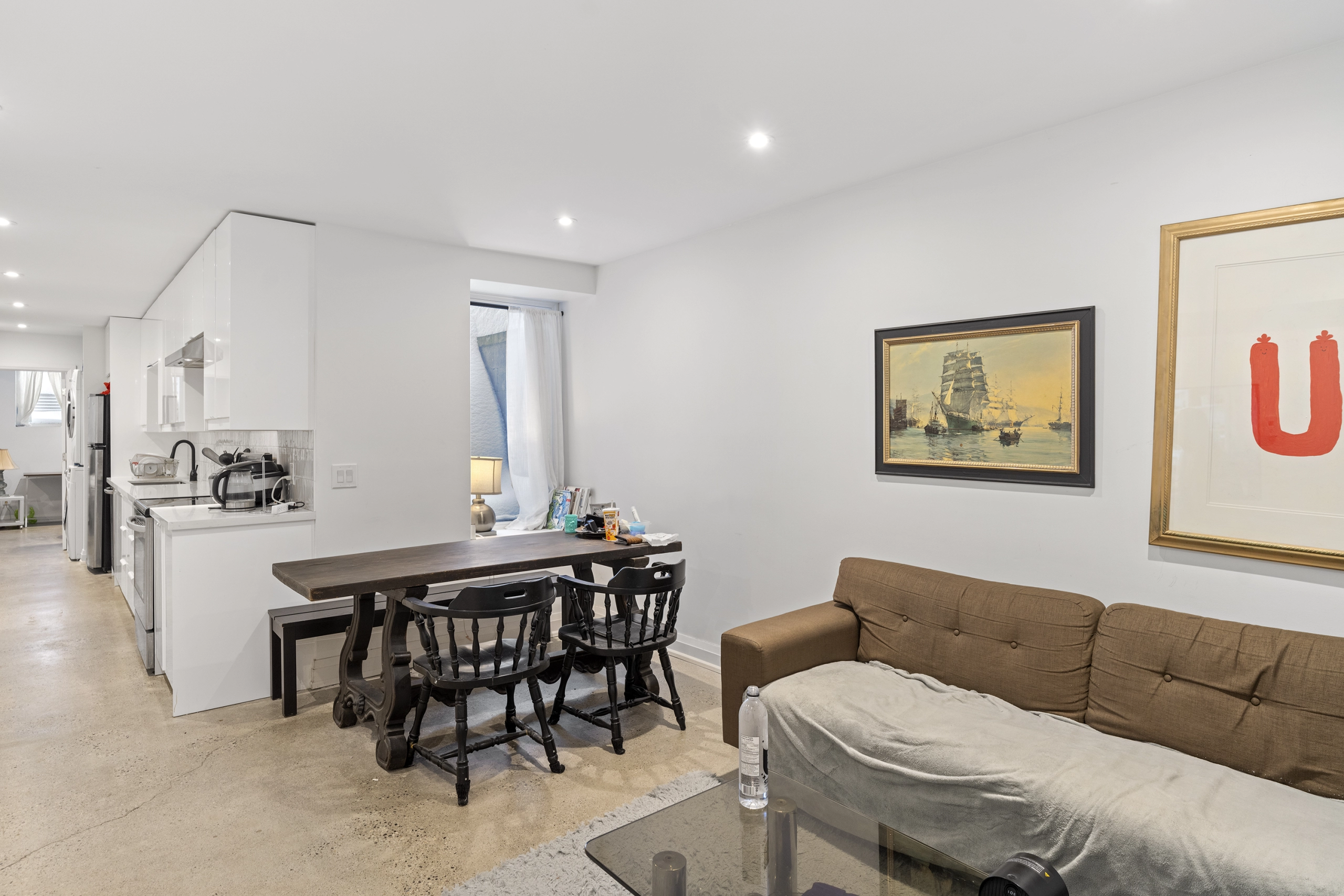
Are you thinking about renting or investing in basement apartments in Toronto? You’re not alone. These lower‑level units are becoming a popular housing option in the GTA because they often come with lower rent or purchase price, flexible living arrangements, and access to great neighbourhoods. But like anything in real estate, they also come with features and challenges that aren’t always obvious at first glance.
In this blog, I’ll walk you through the pros, the cons, and the unexpected quirks of buying, renting, or investing in a basement suite so you can make a smart decision for your next real estate move.
Basement apartments in Toronto can feel like hidden gems or hidden problems depending on what you value most in a home, a rental, or an investment property. My goal here is to give you a complete picture so you can feel confident and informed before signing a lease, making an offer, or listing your property.
What Makes Basement Apartments in Toronto Unique?
When we talk about basement apartments in Toronto, we’re referring to living spaces that are partly or entirely below ground level in detached houses, semi‑detached homes, or townhouses. These units can range from compact studio‑style spaces to larger one bedroom or multi‑bedroom setups that include full kitchens and bathrooms. Many of these suites also offer a separate entrance that gives tenants direct access without going through the main house.
One of the things that makes basement apartments special is their connection to the rest of the property. Unlike a high‑rise apartment that sits above the ground, these units are literally built into the foundation of a house, which means they share the property’s utilities, heating systems like furnaces, laundry facilities, and sometimes even outdoor space. Basement apartments also benefit from natural earth insulation, which can help lower heating and cooling costs.
For many people, the idea of living in established, quiet neighbourhoods without paying a premium for above‑ground units is especially appealing. These basement apartments often come with perks like private parking, shared laundry, and a sense of being part of a community. Basement apartments are typically more affordable than upper floor units or high-rise condos. They often experience less street noise compared to upper-level apartments.
Basements often provide larger layouts compared to similarly priced studio or one-bedroom apartments, and they typically range from 600 to 1,000 square feet. Still, every basement apartment has its own personality and quirks and it’s important to understand both sides before you decide whether a suite is right for you.
Windows are a key feature in basement apartments, providing natural light, ventilation, and serving as potential emergency exits. The size and type of window required are determined by the function and size of each room, in order to meet safety and regulatory standards.
Legality and Regulations: What You Need to Know
When it comes to renting or owning a basement apartment in Toronto, understanding the legal landscape is absolutely essential. Whether you’re a landlord looking to create a new unit or a tenant searching for your next home, being aware of the city’s requirements can save you from unexpected headaches down the road.
A legal basement apartment—sometimes called a secondary suite—must meet strict standards set by the City of Toronto. One of the most important features is a separate entrance, which ensures private and safe access to the unit. In addition, a private bathroom and kitchen are non-negotiable for a self-contained, comfortable living space. If you’re considering a one bedroom basement apartment, make sure it has these essentials, along with proper egress windows and fire safety measures.
Toronto’s bylaws also require that basement apartments utilities such as hydro, water, and heating (think a reliable furnace) must be up to code, and the unit should offer adequate lighting and ventilation for a healthy living environment. Features like wi-fi, parking, and a quiet, friendly neighbourhood can make a basement suite even more attractive, but they don’t replace the need for legal compliance.
The property must be kept in good repair. In some regions of the GTA, there may be additional categories or rules to consider, so it’s important to check local regulations based on your location and property type.
Key Pros of Renting a Basement Apartment
There are several reasons why basement apartments in Toronto attract attention whether you’re a tenant looking for a place to rent, a first‑time buyer looking for affordability, or an investor seeking rental income.
Affordable Living Without Compromising Location
As a Toronto rental agent, I can speak first-hand to one of the biggest draws of basement units is the affordability.
Because they are listed below the main living levels and sometimes perceived as less desirable by some renters, basement apartments generally have lower monthly rent compared to similar above‑ground spaces. This makes them a compelling option if you want to live close to transit, near amenities like grocery stores and community centres, or in neighbourhoods where above‑ground rent has skyrocketed.
For tenants and buyers alike, this affordability means access to desirable parts of the city; places that otherwise might be out of budget, without sacrificing convenience or community. In a city like Toronto, where housing costs continue to rise, basement apartments can provide an entry point into popular areas like East York, The Junction, or even parts of mid‑town that are close to bus routes, subway stations, and everyday services.
Potential for a Separate Entrance and Privacy
Another strong benefit of many basement suites is that they usually come with a separate entrance. This means your front door opens directly to the outdoors, and you don’t have to walk through someone else’s space to get to yours.
That independent access can boost privacy for tenants and can make the space more attractive when it comes time to rent again or resell. A discrete entrance also means less foot traffic through shared areas of the house, which makes living arrangements more comfortable for everyone. Many tenants appreciate the feeling of having their own mini home within a larger property.
Common Challenges of Basement Apartments
While the benefits are real, there are just as many challenges to think about when you’re exploring basement apartments.
In fact, about 80% of basement apartments in the GTA are considered illegal. Anyone can request an inspection of your basement apartment from the city planning department or the fire department. If you are caught with an illegal basement apartment, you could be required to remove the secondary unit to comply with regulations.
Ventilation, Natural Light, and Dampness Issues
Because basement apartments are partially or fully below ground, they often struggle with natural light and air circulation. Smaller windows and lower ceilings can make the space feel darker and cooler than you might expect. For someone used to sun‑filled rooms and large windows, the basement environment can take some getting used to.
Poor ventilation can also lead to moisture buildup, which may mean more trouble with dampness or even mould. It’s a real issue for some tenants and can be a health concern if the unit isn’t properly waterproofed or ventilated. Even a well‑built suite can feel humid or closed‑in if the air isn’t moving properly. That’s why good inspections and asking specific questions about windows, vents, and dehumidifiers are so important before you sign a lease or buy.
Noise and Heating Considerations
If you’re sharing a house with other tenants or owners above you, noise transmission can be more noticeable than in a separate apartment building. Footsteps, music, or everyday household noise may travel right through the floor. Some basement units have additional insulation or sound‑proofing, but not all do.
Since a lot of basement apartments are conversions from single-family homes, there was never the anticipation of having to sound proof between floors.
Heating and cooling is another factor. Basements tend to stay cooler in the summer but can be harder to keep warm in the winter, which may affect your utilities costs or comfort level. While a furnace or radiant heating system can help, you’ll want to be aware of how the space is heated and whether there are separate controls for your unit or if you’re sharing with the main home.
Unexpected Quirks and What to Watch For
Basement apartments have quirks that aren’t always obvious from a listing or professional photos. These can show up in everything from the way you use the space to how it impacts your everyday living.
Resale Potential and Investment Considerations
From an investment standpoint, a legal basement apartment can be a strong value‑add for a property. A properly registered basement suite can generate rental income while you live upstairs or be rolled into long‑term property value. Many buyers see basement apartments as a way to offset mortgage payments or build equity faster.
However, it’s essential to check the legal status of any basement apartment you’re considering. Many basement units in Toronto haven’t been registered with the city or don’t comply with the Ontario Building Code and local bylaws. An illegal suite may not have proper egress windows, fire separations, or separate utilities and living in or renting out an illegal suite can bring fines, insurance issues, or challenges when you try to sell.
A basement apartment that complies with legal standards including fire safety and proper zoning will hold its value better and give you peace of mind as a buyer or landlord. However, you may be paying more in property taxes since the city knows of the improvement to the property.
For fire safety, you will need a fire separation between your second unit and the rest of the house; the Building Code requires a 30-minute fire separation between units and also between units and common areas. For example, fire separations, fire dampers, and meeting building code requirements are essential fire safety measures.
Windows are required in a second unit, and the size of the windows is determined by the size of the unit. You will need smoke alarms in your second unit that must meet the CAN/ULC S531 performance standard, and these alarms should be located in each bedroom and in common areas. Carbon monoxide alarms are required if your house has a furnace that uses natural gas, propane, or other similar fuels, and these alarms should be located near sleeping areas. Always verify that the suite has the necessary permits and complies with city regulations before you commit.
Tips for Finding the Right Basement Apartment in Toronto
If you’ve decided to explore basement apartments in Toronto, here are a few tips to help you find one that works for you.
What to Inspect Before Signing a Lease or Buying
Before you commit to a basement suite, whether renting or purchasing a home with a basement unit, do your due diligence:
Check legal compliance: Ask your landlord or seller for proof that the basement apartment is licensed and meets city regulations. Legal suites are safer and more likely to protect you long‑term.
Look at natural light and ventilation: Visit at different times of the day to see how much daylight the unit gets, and inspect windows and airflow.
Inspect for moisture or mould: Look for water stains, musty smells, or signs of dampness — especially around windows and in corners.
Consider noise and heating: Ask about how the unit is heated and cooled, and whether there’s insulation between floors.
Evaluate parking and access: Basement apartments can come with private parking or a shared laundry space — confirm what’s included. Also check how close the unit is to public transit, bus stops, or GO train stations if commute convenience matters to you.
These steps might feel like extras, but they help protect your comfort, your investment, and your peace of mind.
Conclusion
Basement apartments in Toronto can be a hidden gem for renters and buyers alike. They offer affordability, privacy, and access to great locations in the city but they also challenge you to think carefully about lighting, ventilation, legal compliance, and resale value. Evaluate each unit with a critical eye, and never be afraid to ask the tough questions at viewings.
If you’re considering renting, buying, or investing in a basement apartment or any property in the GTA, I’d love to help you navigate the process with confidence. Contact me, Marco Pedri, your trusted Toronto real estate broker, today to discuss your next move.